Showing posts with label Cassy kist. Show all posts

9 March 2017

PILLOW FORT AS CITY: COMMUNITY SPACES AND SUSTAINABILITY


MUSEUM INNOVATIONS
BY CASSY KIST

Gardiner Museum Community Arts Space
Last week, the class Museums and Cultural Heritage, was lucky enough to have a talk by Douglas Worts on museum sustainability. In essence this refers to the museum’s ability to maintain relevance to communities by helping them adapt to changing realities. As he discussed, a museum’s cultural relevance requires an analysis of current trends of the surrounding community, identifying current issues and then considering what type of engagement the museum can employ to contribute to change.

I have been contemplating Worts’ talk and what strategies museums are currently pursuing to facilitate cultural dynamics and discussion on current events.

In other words, how are museums creating conditions for new possibilities?

I was recently struck by an article about an innovative method that the New York Historical Museum and Library was employing to not just represent an issue but allow a space for people to interact, discuss and imagine new possibilities. The museum recently held an exhibit called President- Elect, which preserved part of an art work – an installation called Subway Therapy by artist Matthew “Levee” Chavez, which he created following the 2016 presidential election. In Manhattan Square subway station he asked passerby’s to write their emotions about the recent election on sticky notes and post them on the wall. It grew to over 20 000. The exhibit not only preserves a section of these sticky notes but also encourages museum visitors to create notes of their own in the museum.
Subway Therapy by Matthew Levee Chavez
But how are museums in Toronto contributing to the city’s ability to adapt to changing realities?

I think a good example of this is the Gardiner Museum’s community art space. This space operates during the summer based on community proposals, allowing cultural organisations to suggest and facilitate different interactive programs that are focused on art as change. The Gardiner Museum prioritises propositions for the space from minority communities and requires that the suggestions involve community participation. Last year, they had a duo called Crazy Dames use the space with museum visitors to create pillow forts as part of a larger program meant to encourage discussion and reflection on how the city is organised and built. This space provides an opportunity for community engagement and intervention on current events and social issues, making the museum relevant to current and changing culture. I am excited to see what happens in the space during the upcoming summer!

We Built This City: Pillow Fort workshop at the Gardiner Museum by The Crazy Dames

The AGO similarly has a Community Art Gallery which seeks to draw upon voices that are usually repressed or marginalised by mainstream institutions. In doing so they hope to expand ideas of communities and encourage new interpretations and creative processes of art making. Currently in the exhibit is a work by Artful City called Mapping Toronto’s Public Art Landscape 1967–2015, which traces the evolution of Toronto’s public art through the last 50 years. This piece not only shows the changes and trends of Toronto public over time, but also gives the city a vantage point from which to discuss social issues such as access and disparity within and outside the gallery space. 

Artful City's Mapping Toronto Public Art Landscapes 1967-2015
With the upcoming 150th anniversary of Canada I can’t help but wonder if one of theses spaces will allow, like subway therapy, discussion and contemplation about it’s controversies. How would it look and how would it engage?



2 February 2017

SCENTS AND SENSIBILITY

MUSEUM INNOVATIONS

BY CASSY KIST

Museums have always been seeking new and interesting ways to tell history and stories. Whether that be through interactive digital components, images, objects, audio etc. - the list is endless. But lately I have been reading about multi-sensory exploration and how to some, especially curators touching is vital to understand and appreciate an object. However, another sense beyond hearing, seeing and touching has also been explored in museums and art pieces. Scents and smell have the potential to create not only excitement and intrigue, but also facilitate new forms of interpretation within museums. Scents tends to be excluded in history narratives and documented events, yet they are important details with the capacity to reveal aspects of time, space and context. If you recall a memory, maybe even walking down Bloor street, a multitude of smells will assault your conscious - maybe Chinese food, coffee or smoke; all these reveal something about the modern day Toronto city context.


Some Historians argue that scents even vanishing ones, are a pivotal part of history and should be preserved. Does that mean we should try to preserve the smell of the modern day theatre? Shopping mall or god forbid gym? Perhaps! While some scents might be unappealing they can reveal details related to time and place and thus, help narrate the tale of everyday life.

An after hours culture festival in the UK (Culture 24), encourages British museums to use scents at their events and in their exhibit spaces, allowing visitors to interact with museum objects in new and unique ways. According to Culture 24, you can animate collections with scent, alter perceptions and create opportunities for new interpretation. Furthermore, scents also create imagery, influence emotions and when shared between people, create connections and discussions.

But how can museums use or reconstruct scents to tell the tales of a historic past through exhibits and objects?

Source
One can look to the National Museum of Singapore for inspiration. The museum hired a perfume artist to create different scents that would bring to life their 700 Years exhibit by creating connections between visitors, the objects and their context pertaining to segments of Singapore’s history. Each era within the exhibit was complimented and encapsulated by 12 scents; one of these, a scent called Fear was fabricated out of musk and ammonia for the era representing Japanese occupation during WW2. Other scents such as the 8 Cent Meal, was created to represent the meals that social welfare departments handed out during the post-war years. This scent included passion fruit, coconut milk and vanilla beans; ingredients which the perfume artist researched in collaboration with the museum over 4-5 months.


Within the 700 years exhibit. Source

This added exhibit detail may cause complications if museums are to become serious in not only using scents but creating them. For example, what scents do curators use to enliven an exhibit and how do they decide which scent combinations will be an accurate representation? Staff may need to research the period, event or person they are representing and decide what scents will work to the advantage of the exhibit themes. Simple raw ingredients like cinnamon or musk might suffice or if representing a complex olfactory context, say perhaps an Egyptian ritual, one can consult an olfactory historian.

A what??? 

Olfactory historians are scholars who have researched scents that have been documented or referenced to over the past centuries. On the other hand, if wanting to compliment a display of Egyptian scent bottles, a curator may decide to use a 3,500-year-old perfume once worn by Pharaoh Hatshepsut and reconstructed by scientists and archaeologists.
At the end of the day no matter the research or choices that the curators make, visitor interpretation is always subjective. That being said, even if a scent doesn’t completely convey the curator’s intention, they can still connect people, place and things, bringing collections and narratives to life.

Of course with every new interaction there is always potential risks, such as how scents can affect objects and if they could cause collections to become inaccessible to people allergic to scents. Some scents might be naturally repugnant to some and interpretations of scents in relation to objects may distract from the exhibit themes.


Morrison smelling books (Source).
On the other hand there are people who are firm believers in the power of scent and their ability to not only entice reflection and discussion, but also give satisfaction. Ask Rachael Morrison who spent 3 years smelling books in the MoMA library as an art piece.

Source


8 December 2016

THE MAGIC OF MUSEUM STORES

MUSEUM INNOVATIONS

BY CASSY KIST

Hello museum folks!      

I bet we could all use a little retail therapy right now, so this week I decided to check out what creative or “innovative” things museum stores are doing to enhance the experience of visitors.

National Gallery of Art store, Washington  D.C.
I may have been a little influenced by our first year classes… But according to research people don’t differentiate between time spent in the gallery and in the store or cafe; they are all “parcel” to the experience. And should visitors differentiate?

If museums are about the total sensory experience, then these components would seem vital parts to the larger institution. The museum store has a long controversial history due to the tension which has and continues to exist between its multiple roles including educator and money maker (Source). Since the 1990s it is believed that the precedence of education and the museum’s mission are winning out over money making (Source). As such, the museum store is becoming more of an extension of the actual exhibits and museum space by taking steps to become more integrated into the institution. 

According to Charles McIntyre - a specialist on consumer behaviour, to be integrated, museum stores should feature personal products that encourage personal transformation related to the learning process of museum visits (McIntyre, 2010).  He suggests that the store should be immersive, investigative, interpretive etc. One stellar example of a more “integrated museum store” is the store in Minneapolis Institute of Art, which has advocated these experiential components as part of its mission.

MIA Store
For instance, in a recent interview with Ryan Ross the head of retail at MIA, he emphasised that the store keeps products - even valuable jewellery pieces out on display and therefor open to touch (Source).

Staff even encourage customers to try on pieces. According to him, it is very important for visitors, after being surrounded by closed exhibit cases, to be able to have a tactile experience that can fulfil their desire for a bodily immersion at the museum which might otherwise be incomplete. This understanding and “counterbalance” of the store with exhibit space, suggests that both museum and store are capable of working together to provide the “parcel” experience.

Another aspect that embodies the mission of the MIA is its dedication to the stories behind the retail objects and their artists. In this way the store acts as an extension of the “investigative” and “interpretive” learning components of the exhibits. Customers want to learn about the products and where they come from and staff are fully trained, like gallery docents, to tell their compelling narratives.

MIA store

As another form of integration, it has also been suggested that the museum store have products related to the exhibits. Many museum stores are stocked with replicas or objects related to the exhibits but to different extents. The MIA in particular, states that many of their products connect not only to their special exhibits but also to their permanent collections and programming.
Spice products featured at MIA for their chef exhibit

A similar recent example of this, is the store within the National Museum of African American History and Culture. A news report claimed that the curators spent an extensive 2 years with merchants discussing objects in the collection to create products suited for the Museum store (source).

Museum stores have been referred to as liminal places, a place not fully integrated into the museum or fully separate, however, rather than this exemplifying a disconnect with the museum’s mission and its exhibits, I believe with this label specifically, it has the ability to be fully integrated into the museum.  
1920 styled gloves from the VA museum
 store for the "Undressed Exhibit"

“Liminal” is often a term used in relation to places of magic. As such, museum stores as “liminal” can be integrated into the museum experience by being an immersive, interpretive and investigative place where people can piece together self identity and create transformations.

For anyone wanting a bit of magic, retail therapy or Christmas shopping I would also recommend checking out the Royal Victoria and Albert Museum Online store.


3 November 2016

AUGMENTED REALITY IN MUSEUMS: DINOSAURS, COLOURING BOOKS AND PAINTINGS, OH MY!

MUSEUM INNOVATIONS

BY: CASSY KIST

It has officially been over a month since Nuit Blanche and now that we are halfway through the term I think it is an excellent time for reflection! One art piece I found innovative and intriguing was "The Merging" on display at OCAD University.


THE MERGING


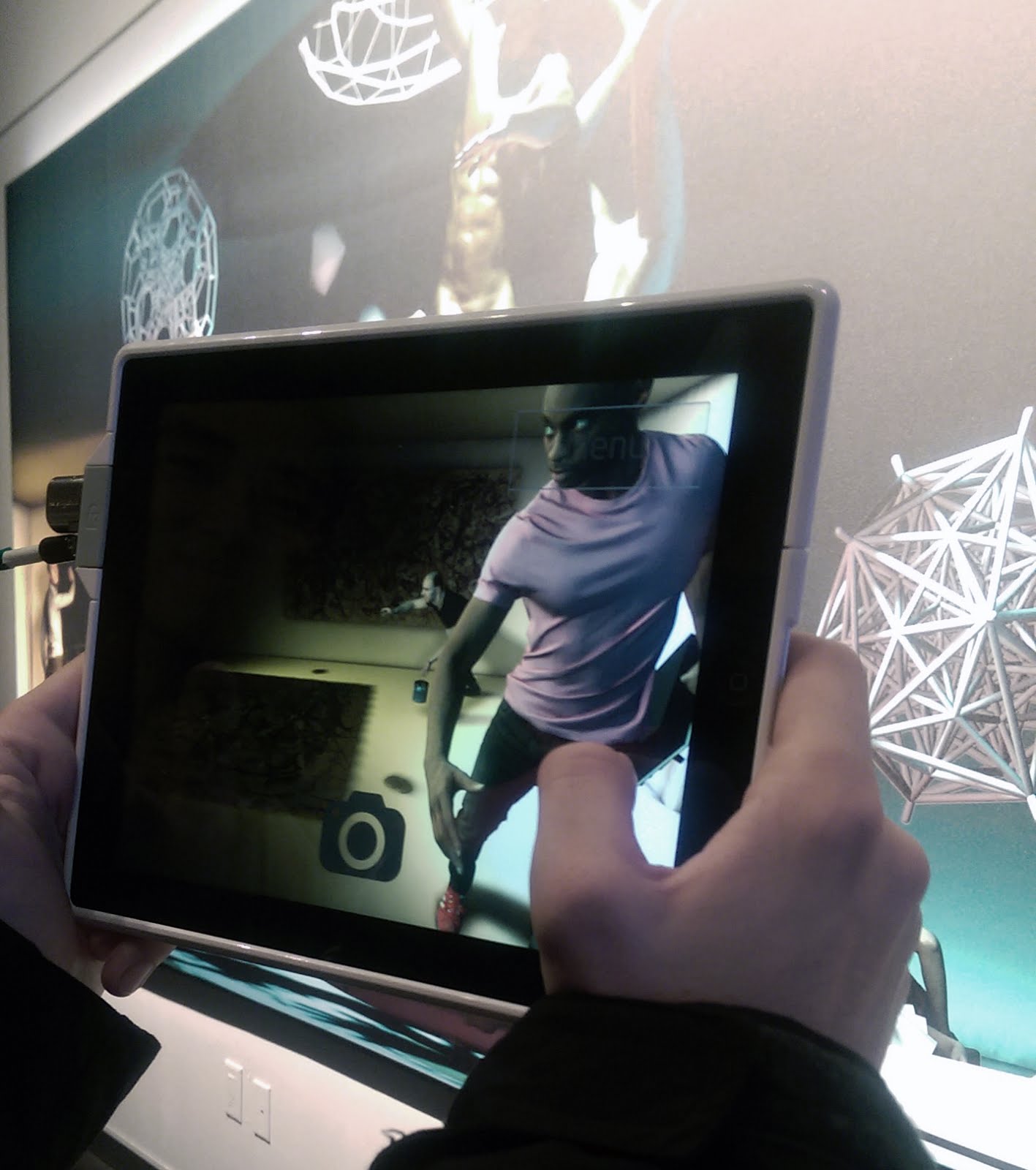
This 2D art mural by Nicola Verato is brought to life using an app designed by SE3D interactive, which could be downloaded onto your smartphone or used on the ipads that the University provided. 

By focusing the ipad on the painting the image is stirred into movement and viewers can move through and look around what appears to be a 3D room. This gave the painting depth, merging outsiders with a virtual world.

What would happen if museums used similar augmented reality applications to add context, movement, sound and or even texture to artefacts?
Your phone or ipad would become a story telling treasure chest.

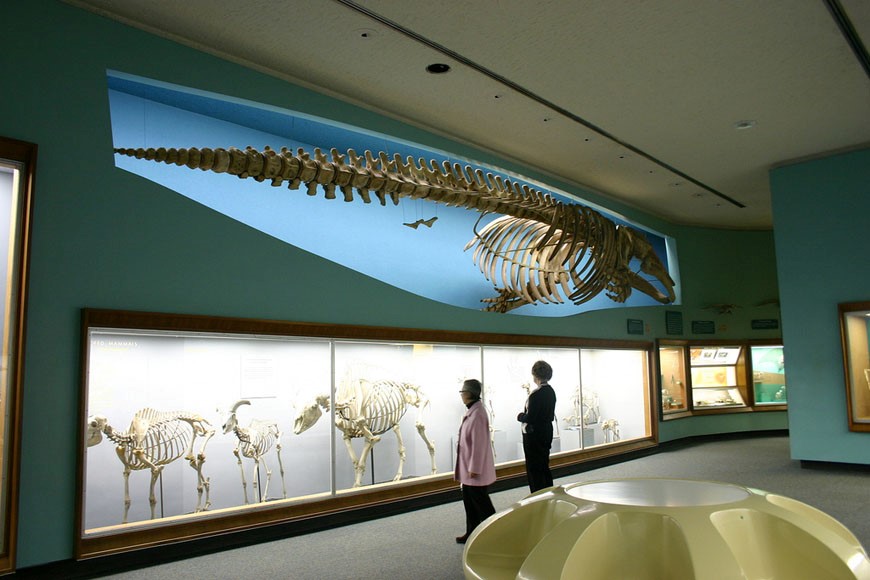
Museums are already stretching their virtual reality muscles; the Smithsonian has an app available for their Skin and Bone Hall at the ANHM. By downloading the app and using the exhibit's trigger images, visitors can see how the skeletons of animals and fish would have looked in the flesh. 

AMNH Bone Hall. Source
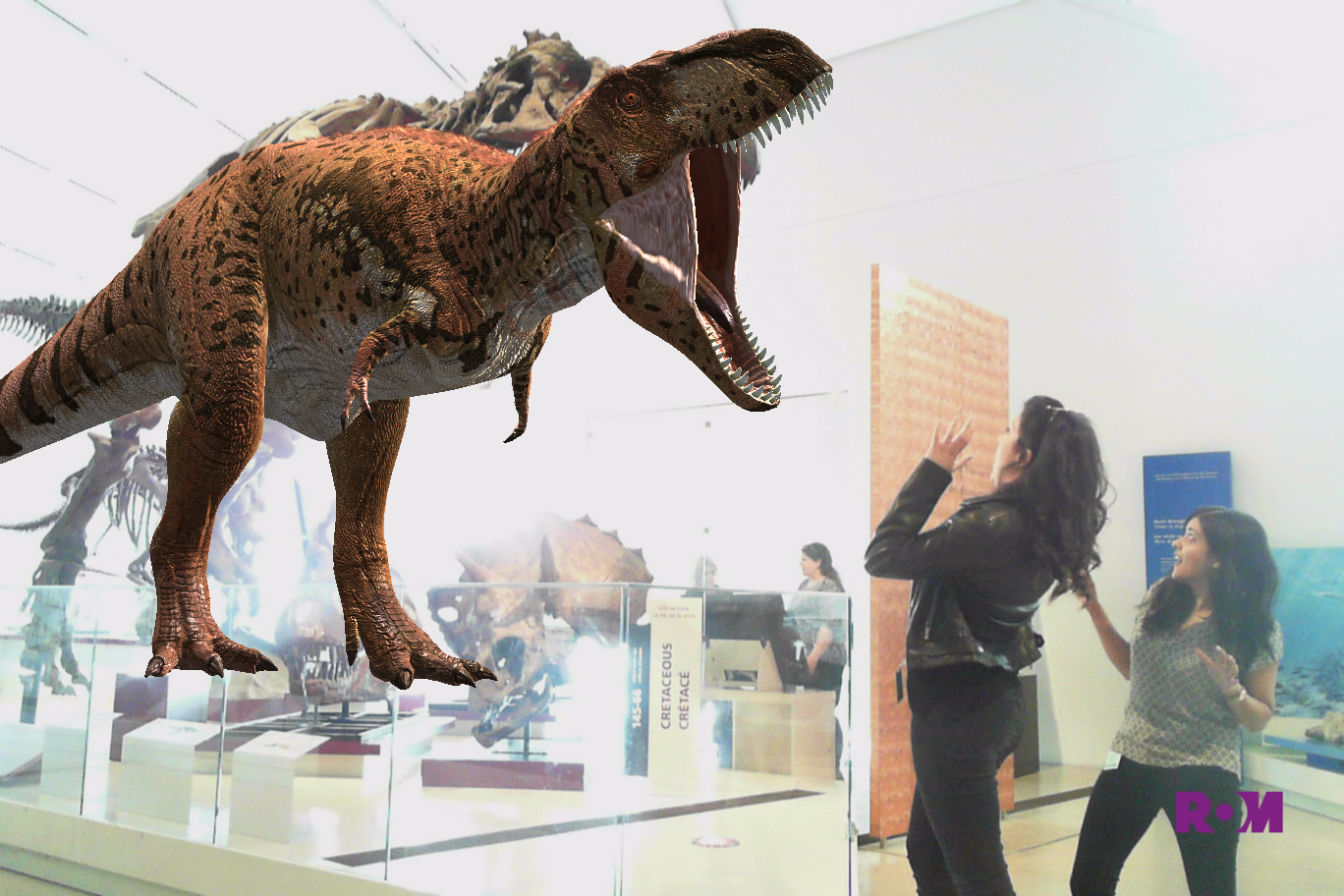
The Royal Ontario Museum has also been experimenting with augmented reality. If you visit the museum today make sure to check out their fossilised T-Rex which has a quirky modification. A stationary ipad brings the T-rex to life with whom you can then take a selfie!

At the Royal Ontario Museum. Source
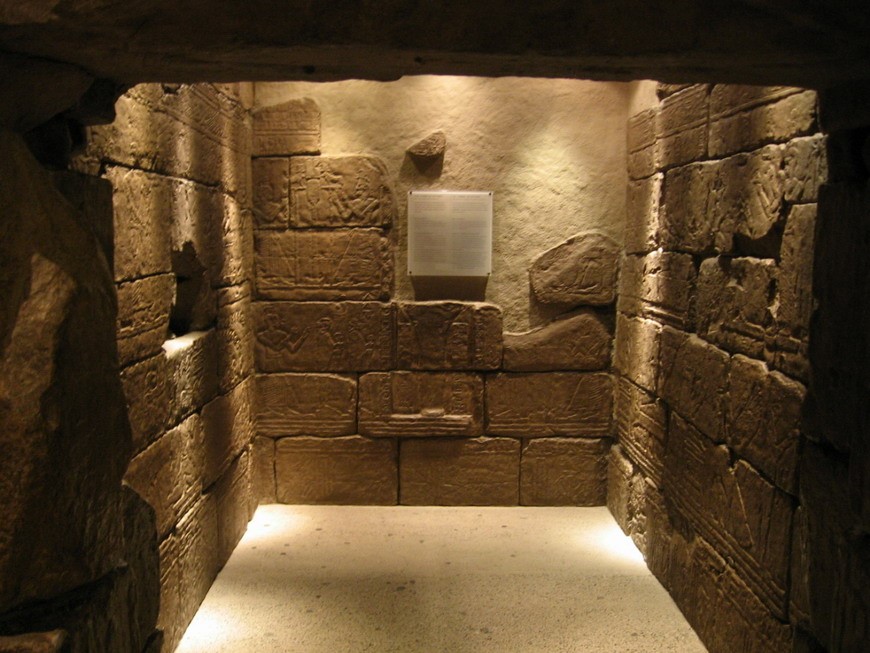
I for one would love to enter the Egyptian tomb at the ROM and be able to see, using augmented reality, how it might have looked centuries ago when the doors were first sealed.

Egyptian Tomb at the ROM. Source.
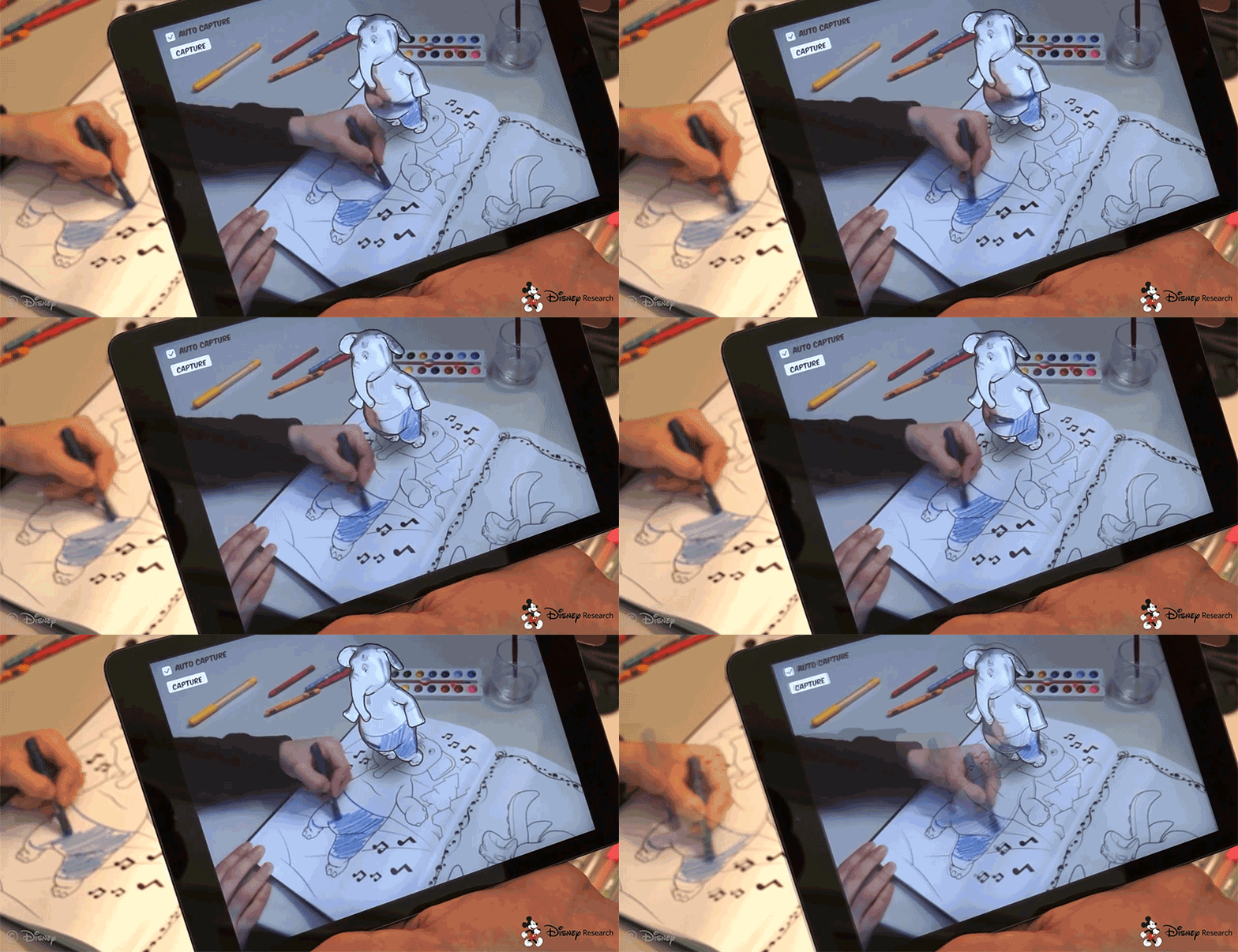
Many big corporations are adopting and creating augmented reality apps to facilitate new experiences. Disney for one, is creating an app that animates colouring pages. As an individual colours a paper page, a 3D character comes to life on an ipad - even with movement and texture.
This has made me consider the possibility of museums adding virtual reality components to portions of their exhibit catalogues.

 For instance, imagine a catalogue in which artefacts can be popped into 3D using an ipad or smartphone and examined from all angles. This would change the game of accessibility but also possession; how would it feel to examine a virtual piece in your own home?
Individuals who tested the Disney colouring pages said they felt more connected to the virtual characters. Could 3D apps connect museum goers and catalogue pursuers with the objects and stories therein? 

Do I secretly want one of these for mid-semester stress relief? Yes, yes I do. 


29 September 2016

VIDEO GAMES AND POKEMON GO: AN AVENUE FOR DISTRACTION OR EDUCATION?

MUSEUM INNOVATIONS

BY: CASSY KIST

I began my day by reading an interesting article about the National Museum of Video Games in Texas and of course, sipping a hot cup of coffee.  My interest in this article may have been spurred by the impending stress of upcoming assignments for the new semester and consequently a longing to escape into the world of video games.
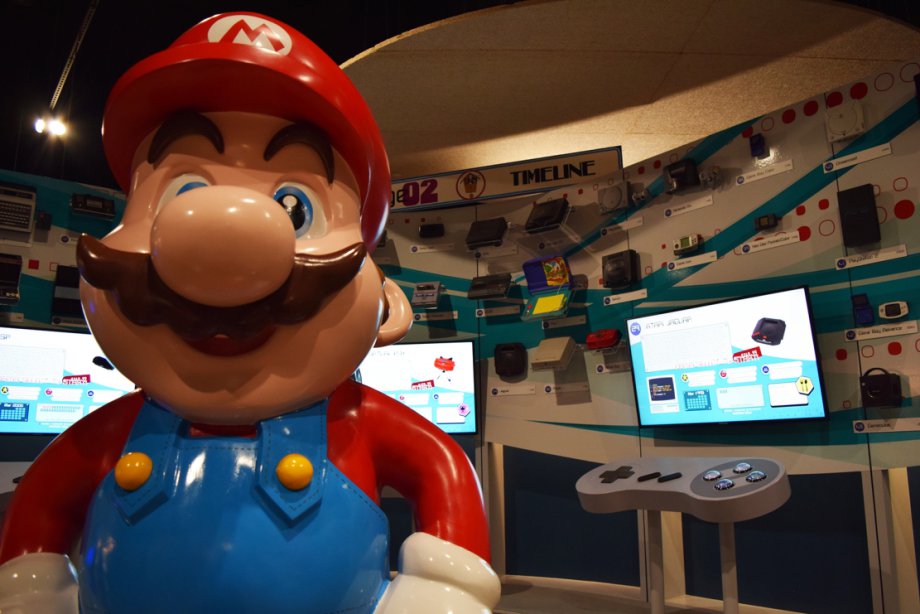
That being said, I had a brief virtual escape to the Video Game Museum which displays everything from old Pacman games to a giant game of Pong. 

National Video Game Museum. Source. 
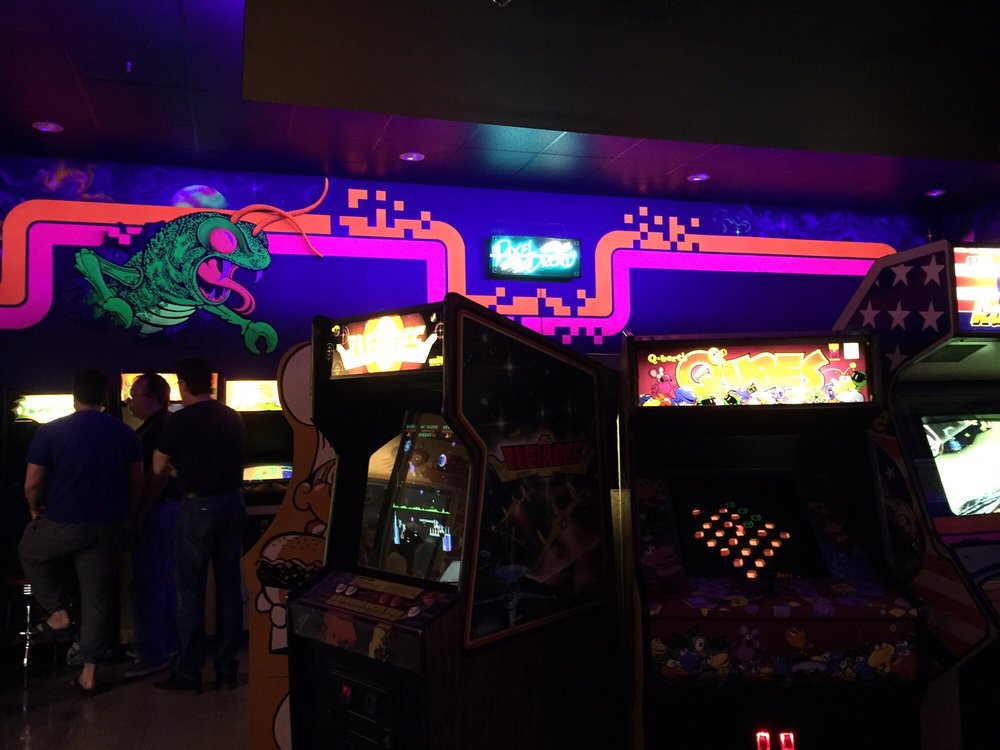
The museum which opened just this past April is laid out in stages allowing visitors to progress from exhibits such as a timeline of consoles, to an 80’s Arcade and finally to some of Nintendo’s first “prehistoric” creations. The museum also offers educational programs which provide interactive tutorials in the areas of science, technology and engineering for kids and adults. Another interesting, interactive feature of this museum is that the old arcade systems are made available for visitors to play! Wicked.
National Video Game Museum Arcade. Source
This brings me to a third feature of the National Video Game Museum and that is its promotion of Pokémon Go. The Museum advocates playing it through social media and has even held a Lure party in July. The adoption of this innovative, geographically sensitive game seems natural on the part of the Video Game Museum, as it not only fits their collection theme but will no doubt become ingrained in their history. However, how do other Museums whose objectives and themes differ from the Video Game Museum cope with the impact of Pokemon Go? The mission of museums initially seems mismatched with the use of Pokemon Go - a distracting technology that puts its users in what I like to call the Hunched Zombie texting position.

Photo Courtesy of New York Times Post: The Texting Dead
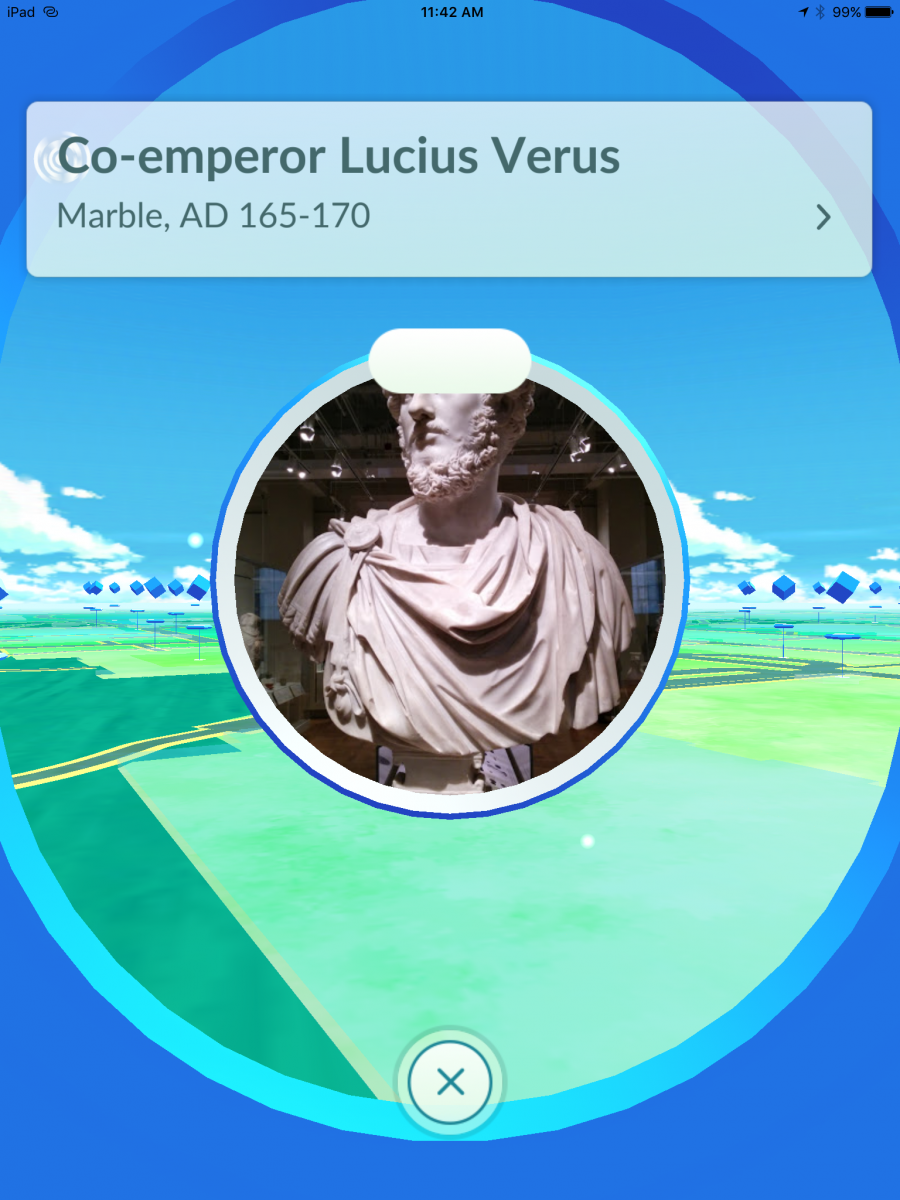
Museums are being creative in approaching the Pokemon Go phenomenon. For instance, the Royal Ontario Museum offers an online tour of Pokemon Go in the exhibits and reminds players of the historical significance of artefacts where Pokestops are located. For example, the Leading Content Producer Sarah Elliot informs players that this bust:
Photo Courtesy of Royal Ontario Museum Blog
which at first glance may look like a Pokestop, is also a portrait of Lucius Verus who served as a co-emperor in Rome from 161-169 CE (source). 
Photo Courtesy of SI Instagram
 This is an innovative way of helping players relate to materials in the museum through a form of technology that can also be used as a culturally relevant form of education. 

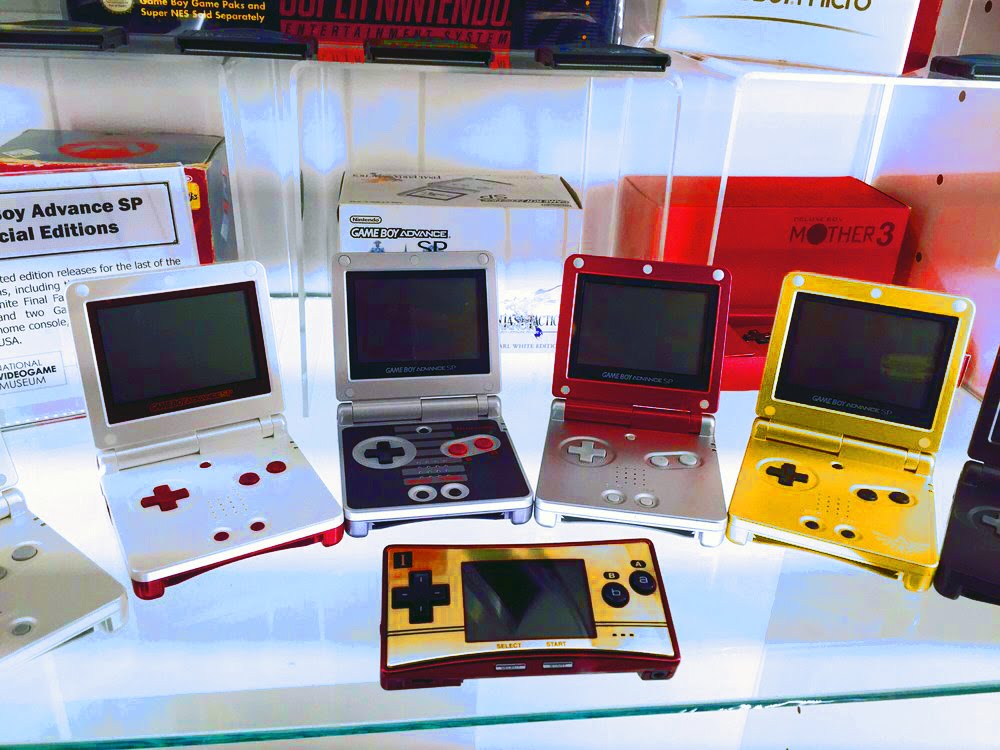
The Smithsonian Institute on the other hand has used many references to Pokémon Go in their blogs, Instagram and Facebook, to similarly help Pokémon Go players relate to objects and visit the museum. On the Smithsonian Instagram the accession of a new 1989 Gameboy is captioned with the label “Before Pokemon Go there was the 1989 Nintendo Gameboy...This one is now in our @amhistorymuseum"(Source).
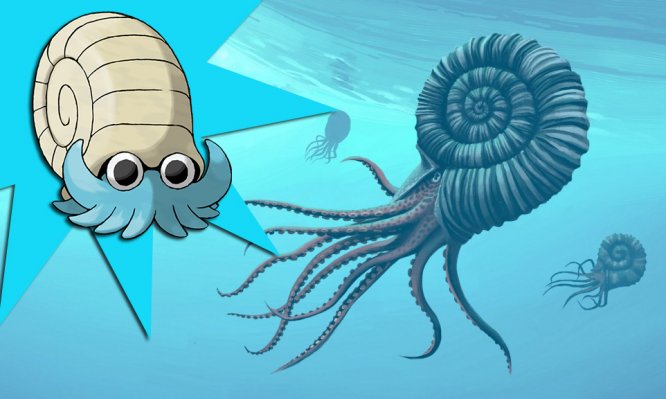
Another Blog post by the Ocean Blog compares favourite Pokemon to the specimen in the museum, another innovative way to use the prevailing Pokemon Go fever to draw interest into an educational experience.
Photo courtesy of SI Ocean Blog 
However, a disgruntled Facebook comment in response to this blog post suggested that the Smithsonian draw back the adults to the real world and focus on Smithsonian issues. This embellishes the fine line that museum professionals must balance in using new innovative technology to provide education for all ages and interests.

What do you think? Is Pokemon Go an avenue for education in museums? Or is it an innovation that ultimately takes away and distracts from the museum exhibits?