Showing posts with label funding. Show all posts

13 February 2020

A MUSEUM WITHOUT STUFF?: NON-COLLECTING MUSEUMS

Collections Corner | Jaime Meier 


It is safe to say that collections are a major part of museums and their adjacent institutions. While collections can serve as a cultural cornerstone of museums and galleries - defining their mission and values - there has been a unique departure in many contemporary art institutions. Many modern and contemporary art galleries have defined themselves as non-collecting institutions, meaning that they have no permanent collection. Contemporary art appears to find itself at uncommon intersection, it is deemed important for institutions to make available but not important enough to own. But, the issue is more complex than that.
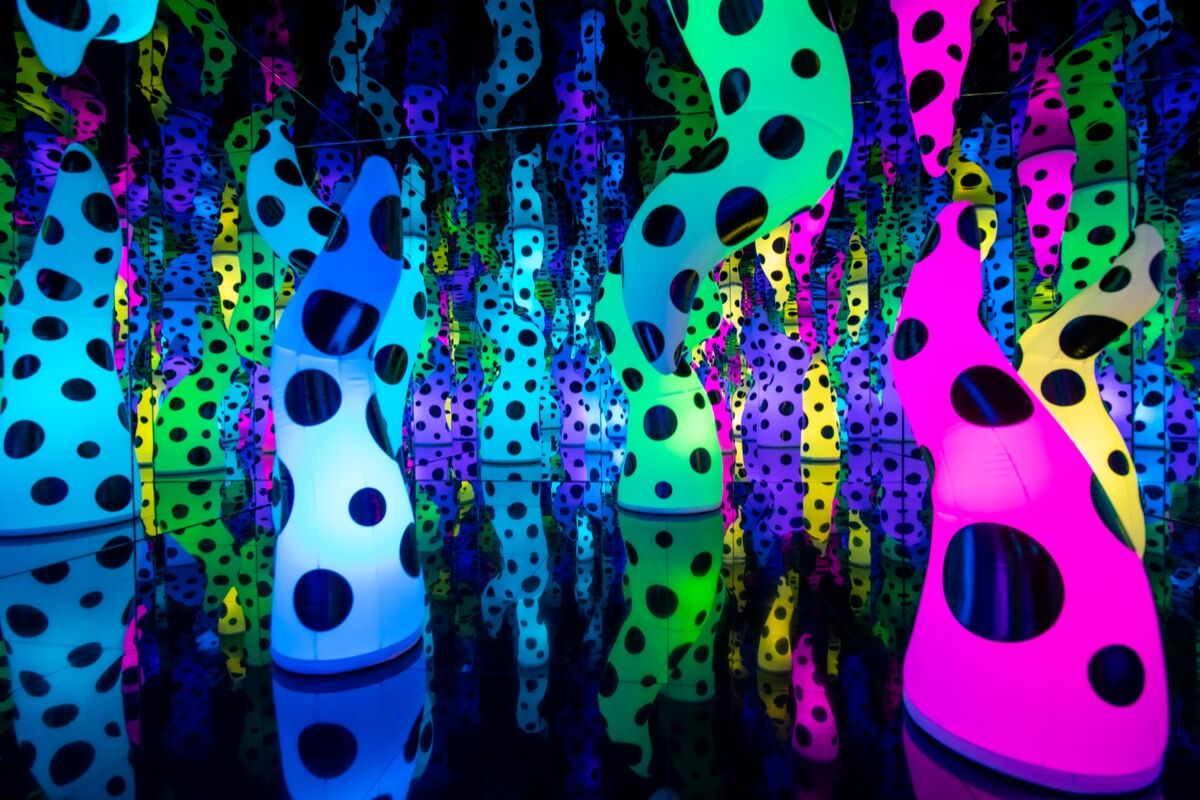
Yayoi Kusama's work is beautiful but if we focus on finding its specific meaning, it can be hard to decipher. (Source)
Contemporary art easily confounds and intimidates the public (myself included), it should be of some consolation that it also intimidates collectors. All of us have seen an abstract contemporary art form, whether it be a Warhol or Pollock, and know it has immense monetary value and yet the reason completely escapes us. Contemporary art can be experimental and strange, that deciding on the value can be nearly impossible. If an institutions invests in an artwork too early and risk never seeing the money pay off or wait too long and have the art become too expensive to purchase. The premise behind non-collecting for contemporary art emerged for these fears coupled with the desire to promote and raise awareness of challenging and evolving art practices.

With a non-collecting museum, ownership is de-centered as the foundation of the museum structure, allowing for cultural exchange to occur in other forms. Documentation fills the gap of collecting by recording visual or written information about the context, concept, and process of the art and exhibition. Instead of physically collecting and item, interaction and mediation is preserved. The lack of collections also means precious money is saved by not employing conservators and collections staff. Processes such as accessioning, deaccessioning, and repatriation become a non-issue. The lack of funds being spent on collections can be redirected into high quality public programming, outreach, and education.
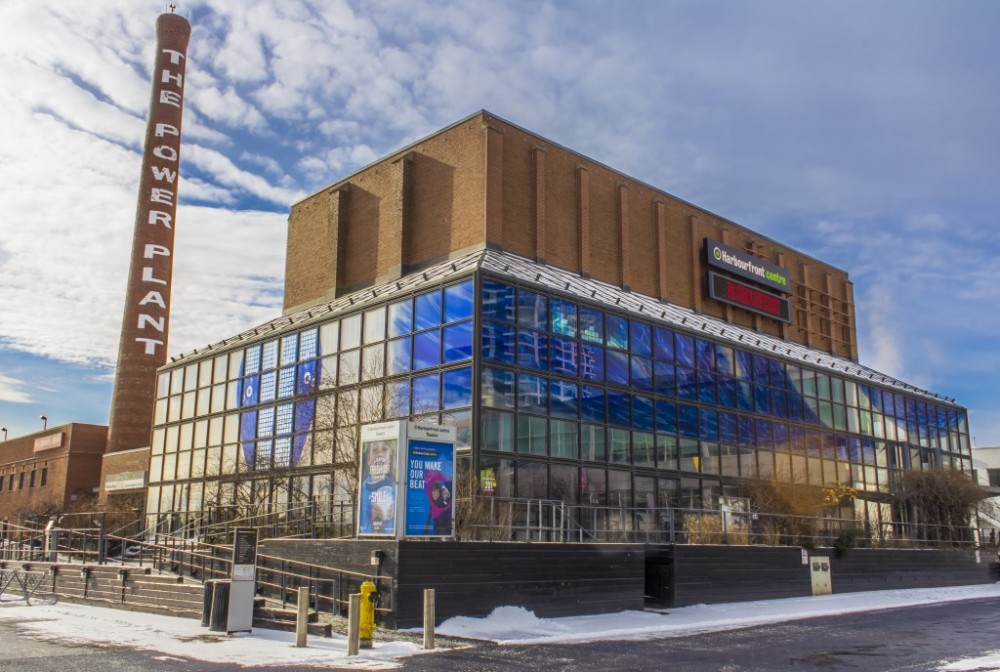
Image result for powerplant toronto
The Power Plant Contemporary Art Gallery, Toronto. (Source)
While there are many benefits  surrounding the collection of contemporary art, it brings up important concerns surrounding the livelihoods of artists. It is impossible to have a functional and thriving art community without providing monetary support to the artists. The Power Plant in Toronto has become a place, that despite its lack of collecting, provides a beneficial relation to artists. Their strategic plan for 2019-2022 outlines their mission to commission new works of art, therefore not collecting but still funding important projects. As a part of their 2018-2019 programming schedule, they also provided portfolio nights and other events for their artist members.

Non-collecting museums and institutions are almost exclusively found in the contemporary art sector. While this allows for more money to go into public engagement and projects, money is not always being used to directly support artists. I am curious to see if this model will continue and the longterm role it will play in the expansion or depreciation of contemporary art.

29 October 2018

SAUDI ARABIA: HUMAN RIGHTS VIOLATION MEET MUSEUM ETHICS

Muse News | ​Amy Intrator


The Metropolitan Museum of Art and the Brooklyn Museum recently cancelled funding from groups tied to the Saudi government. These institutions stand with many others in refusing to support a government accused of violating human rights. Will other museums follow suit and take a responsive stance amidst a developing global controversy?

Exterior of The Metropolitan Museum of Art. Source. 


Background: The Death of Jamal Khashoggi

The past few weeks, the world has been watching Saudi Arabia since discovering journalist Jamal Khashoggi died at the Saudi Arabian consulate in Istanbul on October 2nd. World leaders and organizations have voiced their anger and suspicion. Khashoggi was a vocal critic of the crown prince, Mohammed bin Salman, and many believe the prince and the highest ranking government officials were involved in Khashoggi’s death. Saudi Arabia has presented several different official narratives from initially suggesting Khashoggi left the consulate alive, to stating his death was the event of a fistfight, and now admitting that the murder of Khashoggi was premeditated.

Jamal Khashoggi in March 2018 offering remarks at panel hosted by Project on Middle East Democracy. Source.

The situation has put Saudi Arabia at the center of a global dispute, but this is one event among many where Saudi Arabia has been accused of human rights violations. Just this summer, Chrystia Freeland, Canada’s Minister of Foreign Affairs, made a public statement via Twitter about the alarming news that the sister of Raif Badawi, a vocal critic of Saudi Arabia, had been imprisoned. The tweet caused a great rift between Canada and Saudi Arabia, but now Canada is one nation among many condemning the country.

In light of the growing concerns about human rights violations in Saudi Arabia, many institutions across the world are taking a stance, including museums.


Today: Museums Making Bold Statements

On October 18th, both the Brooklyn Museum and the Metropolitan Museum of Art made statements that they would not be using money from groups tied to the Saudi government to support upcoming programs. The Brooklyn Museum is hosting an exhibition about Syrian refugees and the Met is hosting a seminar on Middle Eastern art. Both programs are a part of the 2018-2019 Arab Art and Education Initiative, and both programs will proceed without the initial support of Saudi money. Cutting funding sources in light of the recent news developments is a bold move on the part of both museums. This is by no means the first time museums have been forced to confront morally ambiguous funding sources, but rarely do museums take such a bold public position on the matter.

While some museums have refused Saudi funding, other museums have remained notably silent in light of recent developments. One museum that has been accused of strategic silence is the Natural History Museum, London. The museum refused to cancel a booking made by the Saudi embassy that took place on October 11th. The museum defended their decision stating that the museum does not endorse private events but relies on this “external funding.”


The different responses in the museum community should spur a larger discussion about museums’ responsibility as institutions of public trust.


The Future: Museums as Responsive Institutions

While some may think of museums as institutions focused on looking backward, many museums have taken actions to become more responsive institutions. Increasingly, museums have weighed in on developing issues in the form of timely exhibits, such as #MeToo & The Arts at the ROM. Other museums have become more responsive through their approach to collecting, such as the V&A where contemporary objects are collected in response to recent history (e.g. the Pussyhat that entered the collection after the 2017 Women's March in Washington).

But museums are not just platforms to discuss topical issues. A truly responsive museum is one that critically assesses its own governance and adapts to the times.

The Met and the Brooklyn Museum responded to a current issue by severing ties to a funding source suspected of egregious human rights violations. The Natural History Museum opted for impartiality.

Museums across the world are now faced with the same choice: respond to a global controversy as it unfolds or comply with an ethically dubious government to secure funding.