Showing posts with label MUSSA. Show all posts

12 March 2021

A YEAR IN MPOSEASONS: REFLECTIONS ON COLLABORATION AND MAKING CHANGE

Special Edition | Dominica Tang, Chloé Houde, Denise Tenio, and Megan Sue-Chue-Lam


We’ve all been hustling through and dealing with internships, jobs, school, MPOC projects, exhibition development, and general pandemic stress and we haven’t had the time to really process what has happened with MPOC in our first year of existence. Despite all the physical barriers, this year has really been about connecting and collaborating. We wanted to take this opportunity to reflect and share what we have learned, and give thanks to these amazing relationships.

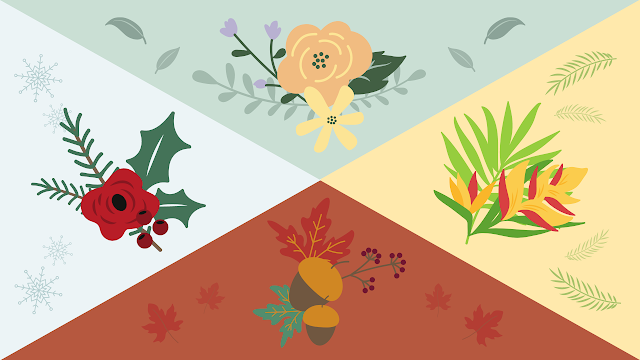
Four plants representing the four seasons
Source: Megan Sue-Chue-Lam


Spring — Birth

We formed MPOC because we felt neglected in a program that didn’t address our unique experiences in museums as people of colour. As early as spring 2020, we met and spoke with Wendy Ng, J’net Ayayqwayaksheelth, and Armando Perla, who are museum professionals of colour addressing and tackling issues of inequality and violence in their museums, in academia, and the larger museum field. Reaching out to people can be as nerve wracking as it is exciting. You want to do right by your collaborators. Listening is foundational to understanding how to best support each other. It will inform your practice moving forward and help you figure out how to best support each other. The Museum Detox panel was a great opportunity to listen to IBPOC for both us and the iSchool and figure out how to support fellow students. Spring was also a time of incredible student support from you all, as well as MUSSA and Musings.

In case you didn’t know, MPOC started out as a bigger group of museum students of colour. To them: thank you so much for “planting the seeds” of MPOC and for your ongoing support; we hope that we are doing right by you.


Summer — Growth

Spring was the catalyst for building so many new connections and as our network grew, our sense of who we are and where we want to take MPOC grew with it. During the summer, we learned a great deal from professionals in Canada and abroad, doing the work and holding space for marginalized folx in their community. Through MPOSees and a number of other projects, the collaborations and conversations had with these individuals has informed our own practice as an organization that strives to uplift IBPOC voices.

Summer was also a time of understanding how much change people could inspire if we advocate for each other. Social justice movements against anti-Black racism defined the warmest months of the year, and cultural institutions felt the heat now more than ever to take accountability for upholding systemic racism. Our faculty was also pressured to reevaluate its operations, as student-led protests revealed the severe lack of support minoritized students and alum faced at the iSchool. While we were unsure of how our actions would affect our careers before they had taken off, we were firm in our convictions and believe that taking action is doing the right thing. As we look back at summer 2020, we feel proud (and to be honest, a little impressed) of the work we’ve done, but we also recognize how much room there is left to continue growing.

Though there are things we still have to figure out – like pacing ourselves – we’re looking forward to all the lessons we’ll learn in this second year of MPOC.

An image of a mannequin dressed in a suit looking at stocks next to white text that says "Investing in Communities"
Source: Chloé Houde


Fall — Harvest

By the time fall rolled around, we felt so grateful for all the connections we had made, but we knew we needed to slow down and reflect upon all the initiatives we had undertaken. To be honest, we were burnt out. We realized that a large part of the work we do is spontaneous by nature, but that we also need to be more intentional about who we work with and what we work on. We knew that it was important to continue growing by strengthening our existing relationships, rather than branching out more and more until we were unable to dedicate time and energy to nurture them.

With our impending final semester at the iSchool and the prospect of increasing quarantine isolation looming over us, we knew that the upcoming winter would be harsh, so we were careful not to overextend ourselves. Instead, we focused our efforts on the Diversity and Inclusion in Information Sciences (DIIS) Speaker Series, a collaborative event initiated by the Accessibility Interests Working Group (AIWG), in order to bring our focus back to the faculty where we have our roots. This series allowed us to create more connections with local organizations and artists, and reminded us of the astounding work going on in our city.


Winter — Hibernation

Although winter causes many creatures to hibernate, our academic, professional, and personal commitments showed no signs of slowing down. We did, however, wind down our more external MPOC operations to focus on our internal development, but not before completing our DIIS series. We also released our brand new website and the first MPOSees interview we recorded back in May, two projects we had steadily been working on for months. It felt amazing to see the fruits of our longer term endeavours come to light, like children borne out of sweat and strained eyes and the cold and darkness of a pandemical winter, especially since these were more permanent than other initiatives we’d undertaken before.

We recently achieved a major milestone — our first anniversary of being ratified as an official UofT student group! This year has been a wild ride, where at times we’re in control and other times we’re going along for it (and sometimes we’re stuck upside down in a loop-de-loop). We went through lots of late nights, choppy video calls, faking it till we make it, and hyping each other up this year, and we don’t regret a second of it. As the end of this semester and of our degrees alarmingly approaches, we’re getting ready to plant more seeds as we head into our second year of existence. Without forgetting, of course, the hard work of clear-cutting done by museum professionals of colour before us, which has made everything we’ve done possible. As we look towards the future, we’re taking time to reflect on what we’ve accomplished, what we can improve on, and what MPOC is becoming.

Source: Chloé Houde

20 November 2020

A-MUSING ACTIVITIES: UPCOMING EVENTS IN THE GLAM SECTOR

 Muse News | Jaime Meier


With December right around the corner (yes, I am sorry to hear it too!), deadlines are looming and it is important for your health and sanity to take time for yourself each day to do something you enjoy. As someone who struggles with procrastination and staying focused, I am all too familiar with the guilt that accompanies avoiding a necessary task or struggling to finish an assignment. A great way that I have learned to cope and self-justify pausing school work is through participating in free online arts and culture related events. 

Event Hosted by 519 | Source


TODAY, November 20th

Trans Day of Remembrance 2020
Host: 519 
Time: 6:00pm EST
Where: Zoom
Registration: Required

It is the 21st annual Trans Day of Remembrance (TDoR) is being hosted by 519 to commemorate and honour the memories of members of the trans community taken too soon. This event will include speakers, singers, and other artistic components. 


Tuesday, November 24th

Zine-Making Workshop + Wellness Discussion with Melina Mehr
Host: Museum Professionals of Colour (MPOC)
Time: 5:00pm EST
Where: Zoom
Registration: Not required

Join accomplished MMSt alum, Melina Mehr, for an evening of discussion and creation around wellness and self-care. Guaranteed to be a relaxed and fun evening centered around creativity and support.


Thursday, November 26th

MUSSA Trivia Night
Time: 6:00pm EST
Where: MMSt Channel (Virtual Inforum)
Registration: Email mussa.ischool@gmail.com by November 25 at 11:59 pm (Include your team members - max. 4 - or request to join a team)

You don't want to miss teaming up with fellow MMSt and CDP colleagues for a spirited game of trivia! The winning team will receive a prize (and bragging rights). 


EMILIA-AMALIA | Source

Wednesday, December 2nd


An evening of lecture, workshop, and performance is a part of an ongoing program that explores feminist praxis through historical memory, exclusion, and refusal. Meyer and McKinney explore the idea of ruins in relation to sexuality throughout their journey from Vancouver to Disneyland.


Thursday, December 3rd

INTERFERENCE – A Virtual “Music in the Museum”
Host: American University Museum At The Katzen Arts Center
Time: 7:30pm EST
Location: Livestream
Registration: Required

Do you think museums are a little too quiet? Join the music collective INTERFERENCE for their concert that focuses on using instruments and computer technology to create a musical and visual performance within a museum environment. 


Thursday, December 3-11th

Time: 6:30pm EST
Location: Online
Registration: Required

The 9th annual HRFF is a week long event focusing on sharing stories and experiences regarding international human rights through film and discussion. The keynote address by Syrus Marcus Ware on the last day of the festival will certainly be a highlight. 


What arts and culture events are you looking forward to? Leave a comment or drop us a line at musings.mmst@gmail.com!


21 March 2020

MUSEUM DETOX PANEL REVIEW: ADDRESSING CHALLENGES IN THE MUSEUM

Weekend Edition | Madison Carmichael & Jaime Meier


The Master of Museum Studies program (MMSt) is overwhelmingly white. This is true whether you’re looking at the students or the syllabuses. We talk about diversity and race in the context of museums often, but not so often do we remark upon the privileged position from which many of us speak, nor the privileged position from which many of us will operate once we move into our careers.

Museum Professionals of Colour (MPOC) was originally a support group for students of colour to talk about being in an all-white program. It started out with about six or seven Indigenous, Black, and People of Colour (IBPOC) who were excited to finally be open about their feelings of underrepresentation and isolation. Upon learning that the MMSt program previously had a diversity group that had dissolved, MPOC decided to become an official student organization to provide a permanent collective for future generations. They are driven by their desire to support People of Colour (POC) within the MMSt program and help facilitate conversations about race with their peers and the wider museum community. MPOC have used multiple platforms to achieve their goal, including social media (Instagram, Facebook), online publications, and most recently a panel featuring Wendy Ng, Manager of School Programs at the Ontario Science Centre; J’net Ayay Qwa Yak Sheelth, Indigenous Outreach and Learning Coordinator at the Royal Ontario Museum (ROM); and Just John Samuels, Art Curator and Community Organizer at Blank Canvas Gallery. 

From left to right: Denise Tenio, Megan Sue-Chue-Lam, Wendy Ng, J'net Ayay Qwa Yak Sheelth, Just John Samuels, Dominica Tang, and Chloé Houde. Photo courtesy of Jaime Meier. 
The panel, “Museum Detox: Cleansing Institutions of Unconscious Bias and Developing Anti-Racist Praxis,” was developed by MPOC in partnership with MUSSA. Guided by questions from members of MPOC, panelists discussed the emergent trend of diversity work in cultural institutions and how museums might break that trend-cycle to do “diversity right,” speaking to institutional examples or projects as well as the unexpected and very real challenges in doing this important work. Race is, according to panelist Wendy Ng, a pivotal factor in oppression, and it is critical to recognize the role that race plays in intersectional museum work as well as the oppression that one may experience within these institutions. 

These discussions led us to the idea of risk. Risk and risk-taking is embodied in the work that the panelists and MPOC themselves engage in everyday to decolonize cultural institutions and support their communities in the face of systematic oppression. While various groups work to assist in these efforts, it is critical that we consider and reflect upon how risk differs depending on who undertakes it. 

From left to right: Wendy Ng, J'net Ayay Qwa Yak Sheelth, & Just John Samuels. Photo courtesy of Jaime Meier. 
As panelist J’net Ayay Qwa Yak Sheelth so aptly put it, museums are rooted in systems of white supremacy and the systems that abet it. They are rife with binaries of us and them – or else us vs. them – which is only compounded by the strict hierarchies of power, position, and knowledge hammered into their foundations. And the “us,” those who occupy the highest positions of power, are – much like our program – overwhelmingly white, and so the systems in place actively advantage white folks and disadvantage others. As such, what constitutes risk and what is at stake in taking a risk looks markedly different within a system like that. 

It is not and cannot be up to POC alone to address all institutional issues themselves. White people and allies have an important role to play in challenging institutions that uphold white supremacy, that stem from colonial roots, and to recognize those histories and structures so as to confront them in real terms and meaningful action. MPOC have played a crucial role in beginning this work in the faculty, inspiring peers and others in the museum field to do the same. The panelists brought attention to the fact that we exist in a culture of whiteness that requires us to decenter ourselves in regards to power, culture, and relationships. A starting point for allies and white people is to ask important questions about our relationship to hierarchies and privilege. This may include:
  • What privilege do you have?
  • Who’s missing from the conversation? Who are you talking to?
  • How can we create equilibrium in our (museum) spaces?
  • Who are events for? Is it a performance for non-racialized folks? 
  • What risks are you willing to take? How will you leverage your power to enact change and challenge oppressive structures?

Faculty and students alike consider issues of  doing "diversity right," confronting institutional systems of white supremacy, and the important work that allies can engage in to help with these efforts. Photo courtesy of Jaime Meier. 
Once allies and white people occupying museum spaces begin to consider these things, important work can begin to take place. This does not mean turning to POC exclusively for guidance and support; white people and allies must shoulder the responsibility of educating themselves and talking to other white people and allies about issues that POC face, even when they are not in the room. MPOC have also stressed the importance of allies speaking up in difficult situations and to take the initiative to ask questions and challenge statements. It is a moment of fleeting discomfort as opposed to the compounded lifetime of negative experiences felt by POC, which only increases feelings of isolation. In the words of Wendy Ng, white people need to be willing to sacrifice their comfort, and at times more, in order to be an ally. 

“Museum Detox” was, in the words of MPOC, a single step towards developing anti-racist practice within cultural institutions but not a small or unimportant one. As Just John Samuels so wonderfully put it, we’re in such a beautiful position to begin this work in earnest. Whether as museum professionals or as students of museum studies, we have the power to enact change and pose challenges. And so we must agree with Just John: that position is indeed a beautiful place in which to work. 

And, of course, if you're interested in listening to the panel yourself, please check out the livestream here!

20 December 2019

CHATTING BY THE FIREPLACE WITH MUSINGS AND MUSSA

Letter from the Editor | Alexandra Forand, Jordan Fee, Natalie Heaton and Emma Puddicombe


Source. 
Well, it’s that time of year again. The wind is blowing, the snow is falling, and we are finished with yet another semester in the Museum Studies program! Since the last time we spoke with you, fellow Musers, so much has gone on that we thought we would invite the President and Vice-President of the Museum Studies Student Association (MUSSA) to chat with us and highlight all of the wonderful things that have taken place this semester!


Photo Courtesy of Erika Serodio
Photo Courtesy of Emma Puddicombe 

Without further ado, let’s get started!

Jordan: Emma, Natalie, it’s so nice to have you here with us! How are you feeling now that the semester is over?

Emma: It’s been a long semester, but such a great one! The students have all been so ready to interact with each other and take part in events on campus, and the articles Musings has published have been a joy to read every week. Our colleagues are so creative and hardworking. It’s weird to think we’ll be starting our last semester of this program in just a few weeks!

Natalie: Over the past few months I’ve been trying to push myself to try new things and meet new people! As a result, I’ve met incredible people, done amazing things, I’m really happy with how the semester went.

Ally: This is true, much has passed in just a span of 3 months. And what a whirlwind it has been! It seems like only yesterday that Jordan and I published our first articles as Editors-and-Chiefs of Musings. You can check those out here and here. How time flies!

Soure.
Jordan: Right you are! I bet the contributing editors who joined our team in September agree with you. As always, I am blown away with the breadth of articles. This semester Dominica took us on an adventure when she examined the unique programming at Black Creek Pioneer Village, Michelle had a frightfully good time at the “Bloodsuckers” at the Royal Ontario Museum, and Mary analysed “Age of you” at the Museum of Contemporary Art (MOCA).

Photo Courtesy of Mary Wallace. 

Photo courtesy of Alexandra Forand 
Emma: Musings also went beyond museums when Carly W. explored community engagement at Community Arts Guild, Jaime investigated Library and Archives Canada (LAC) digitization projects in collaboration with the Nunavummiut, and Carys pointed out the various displays of art on the streets of Toronto and their importance.

Photo courtesy of Katherine Fleitas/peacephoto
Jordan: Of course, we can’t forget about Natalie’s article about the Ottawa Field Trip! While I was sad to miss it, the consensus seems to be that it was a fantastic trip! What were your favourite parts about it?

Photo courtesy of Natalie Heaton. 
Ally: I quite enjoyed seeing all the museums’ galleries and the stories they told with their objects. I know Carly H. would agree with me that objects can tell very powerful stories. I was also interested in the inner workers of those museums. It is not every day that you get to see museums’ collections, libraries, and research centres, as discussed by Madison!

Emma: I’m just so happy that the students who joined the trip made such great connections with the professionals we met. It’s so great seeing first-hand how much museum professionals, especially alumni, want to support us as we start our careers! Elizabeth’s check-in with Britt Braaten was especially interesting to read.

Photo courtesy of Britt Braaten.
Natalie: I will remember the relationships that I formed and the ones I strengthened with my classmates. I also loved taking in all the museums, talking to the museum professionals, and getting to go behind the scenes! The behind-the-scene tour of the Canadian History Museum was a particular standout.

Jordan: Well, I still have many fond memories of the trip to Montreal last year, and from the sounds of it, the trip to Ottawa was just as great. I think that these trips are a fantastic way for new students to form a community.

Ally: Musings is great for this as well, because that is what we aim to do! Whether that be a professional community, as seen through Samantha’s latest article interviewing Dale Butterill from the Women's Arts Association of Canada. Musings is also a great way to process current events through an important lens. I was partial to Amy’s latest article discussing the monumentalization of the Stonewall Inn, and Joanna’s take on female artists (or lack-there-of) in art museums.

Photo courtesy of Amelia Smith. 
Nathalie: I am excited to see where Defne will go with her series about museums representing climate change as well as Jessica’s series on collection storage solutions… on a budget!

Illustration courtesy of Defne Inceoglu. 

Illustration courtesy of Jessica Lanziner.
Jordan: And of course, Musings cannot exist without the help of MUSSA! It has been so fantastic seeing the two of you lead the pack this year; I truly think that the dynamic you’ve formed with the students in the faculty is incredible.

Ally: Especially now that we’re headed into the final semester of our time in the program, it is comforting to know that we have such a strong support system.

With that being said, I think it’s best that we leave our readers and give them some time to relax. Musings will be on hiatus for the rest of December, but keep an eye out in early January for new posts! In the meantime, don't forget to check our Emma’s article about holiday traditions and if you still need to do some holiday shopping head on over to Erika’s Gift Guide for Museum people! 


Happy Holidays! From our family to yours! Photo courtesy of Alexandra Forand. 


5 April 2019

MAKING MUSINGS PART 4: WORTH THE RISK

Letter from the Editor | Serena Ypelaar


This is the fourth post of a five part series in celebration of the Master of Museum Studies program at the University of Toronto's 50th anniversary (MMSt50). To reflect on Musings' past, present, and future, we invited all previous Editors-in-Chief to return to Musings to write special Letter from the Editor posts. These articles will highlight the significance of Musings both within the MMSt program, and for writers' professional careers. Serena Ypelaar was the fourth Editor-in-Chief of Musings from 2017-2018. 

When I first considered running for Musings Editor-in-Chief, you could say I was wary of risk. For one thing, I had never spearheaded a major publication, let alone one representing a graduate program at the University of Toronto. I’d been on the editorial team for CLIO, uOttawa’s undergraduate history journal, but nothing matched the scale of the journey on which I was about to embark.

Was I nervous to put myself out there in a leadership role? You bet. Did I do it anyway? Yes, and I sure am glad I did.

Why had I considered the Editor-in-Chief role a risk? Namely because it involved leaving my comfort zone in a big way. It was a huge responsibility but also the most beautiful challenge. Stepping outside the comfortable and trying to take Musings new places – this was how I spent much of my second year (2017/2018) in the MMSt program, resulting in irreplaceable experiences, friendships, and memories.

Contributing Editor Julia Zungri [Left] and 2017/2018 Editor-in-Chief Serena Ypelaar [Right]. Photo courtesy of Serena Ypelaar/Musings.

I felt drawn to the role thanks to my deep love of writing and a strong sense of excitement. Some of my priorities as Editor-in-Chief were to broaden Musings’ community presence and connect more with audiences; increase inclusivity and further question the “status quo” of museums; and create a unified editorial structure that allowed for multiple rounds of edits and collaboration between team members. I was blessed with a talented and wonderful colleague in the role of Musings Administrator, Amy Intrator (one of Musings’ current Editors-in-Chief alongside She’s My Muse superstar Kathleen Lew), and we got a lot done!

Armed with a new social media strategy and revamped Instagram presence, we were able to connect with more institutions across digital networks. One of the most enjoyable promotional campaigns I ran involved sending personalized messages to museums across Canada to introduce their staff to Musings, encourage them to read and engage with our content, and propose possible collaborations. The goal was to expand our network; we received encouraging responses from professionals who were interested, as well as MMSt alumni who were happy for the chance to reconnect. This outreach project was experimental at best, but putting myself and the blog out there was beyond rewarding when I realized how many relationships we could create and nurture.

Risk reared its head yet again in February 2018, when I moderated MUSSA’s first major panel at the iSchool, Women in Leadership: Challenges, Successes, and the Future. It was terrifying, and I was extremely nervous to host a discussion with four accomplished museum leaders in front of a crowd, but I’m so happy I put my trepidation aside. If I hadn’t, I wouldn’t have had the valuable opportunity to learn from inspiring women leading museums and expand Musings’ visibility further beyond the walls of the Bissell Building.


Musings returned to the iSchool Conference in March, this time to discuss digital relevance. In a panel comprising Contributing Editors Emily Welsh, Sadie MacDonald, Kathleen Lew, Amy Intrator, and myself, we spoke about current events, commemoration, social media presence, and difficult legacies. We wanted to face up to some of the toughest topics to anchor Musings in timely and necessary museological dialogues, and we published a paper in the iJournal to that end.

Our panel at the iSchool Conference! Photo courtesy of Nicholas Ypelaar.

Blogging was second nature by the time my term ended, so I decided to ride the wave and start a new blog of my own, The Mindful Rambler. The team and I (including MMSt/Musings alumni) discuss interpretation/storytelling with a focus on history, literature, art, and biography. My time at Musings is the reason the blog exists at all; I still love writing articles that (hopefully) provoke thought, and I’m always trying to learn new things.

Musings has given me so much insight into cultural institutions, writing, and partnerships. Working at the Inuit Art Foundation, I’ve used that knowledge to collaborate with galleries and host Edit-a-Thons for the Inuit Art Quarterly Profiles, an online resource featuring Inuit artists from across Canada. Focusing on community events and digital education, I’m often reminded that collaboration is integral to success: Musings itself is built on collaboration. If you’ve been involved in any way, thank you.

Part of the Musings 2017/2018 team. Back [from left]: Emily Welsh, Julia Zungri, Kristen McLaughlin, Katlyn Wooder, Kathleen Lew, Amy Intrator. Front [from left]: Jennifer Lee, Leore Zecharia, Sadie MacDonald, Serena Ypelaar.
Photo courtesy of Serena Ypelaar/Musings.

Leading Musings was unlike anything I’ve ever done. It was also a fulfilling creative opportunity. Change is scary. Risk is scary. But only by taking calculated risks can we reap the rewards, a lesson I plan to take with me throughout my career.

As a team effort, Musings is a testament to collaboration in the Master of Museum Studies program, now 50 years old. I absolutely loved working with my colleagues, the Contributing Editors who make Musings great. Congratulations Jaime, Madeline, Natania, Kathleen, and Amy! The Editor-in-Chief legacy is truly unique, and I feel incredibly honoured to be counted among the ranks with you all.

Happy 5th birthday, Musings! Here’s to many more.

21 December 2018

HAVE YOURSELF A MERRY LITTLE HIATUS

Letter from the Editors | Amy Intrator & Kathleen Lew


It has been an unbelievably amazing term for Musings! Now it’s time for our brief holiday hiatus, but before we go, your Editors-in-Chief are excited to look back on all the accomplishments from the past four months and prepare for another great term at Musings. 

Editors-in-Chief, Amy [far left] and Kathleen [middle], strike a pose with Communications Officer, Jordan Fee [far right], at the MUSSA End-of-Year Celebration. Photo courtesy of Amy Intrator.

With our first ever professional development event, Musings provided a writing workshop on risk-taking and digital strategies led by Sarah Hill from Lord Cultural Resources. This event was in partnership with MMSt50, featuring delicious Almond Butterfly Cookies and a full room of MMSt students and Contributing Editors. Read Sam’s coverage of the workshop here. Musings is excited to continue this successful workshop series in the new year, so stay tuned for details!


Our instagram has also been busy with various event coverage featuring our Communication Officer Jordan Fee and Contributing Editors. Be sure to take a look back at our story highlights from the OMA conference and the MMSt Montreal field trip, in addition to some thoughtful posts about grad student life and Musings articles.

From exhibition reviews to articles about museum innovations, Musings’ Contributing Editors covered it all over the past few months! If you’re looking for some museum reading material over the holidays, we’ve provided some must-read articles from our Fall 2018 term:

If you’re looking for Toronto reading material, check out Rebecca’s article about Toronto’s quirky landmarks. For more Toronto heritage, Ally’s latest article explores the history of dining establishments in Toronto. Interested about how Toronto Muji is pushing the boundaries of art exhibitions through marketing strategies? Amy’s latest article is for you!

For those readers looking to step outside of the province, check out some of our Montreal reads! Laetitia covered the Museum Studies field trip to Montreal, which was full of visits to some amazing cultural institutions. Rachel explored an awe-inspiring exhibition at the McCord Museum focused on the complex relationship between clothing and the First Peoples of Canada. And if you’re still not ready to leave Montreal, Elizabeth’s latest article explores the McCord Giftshop.


To catch up on some of the amazing professional development that took place this term, check out Kathleen’s article about discomfort in the museum, spurred by a panel at the annual OMA conference. For more OMA content, read Evelyn’s article about GLAM (Galleries, Libraries, Archives, Museums) analogies that were explored during the conference. If you’re looking to explore the experience of Museum Studies students, check out Katlyn’s review of the second-year mandatory classes.

Current Museum Studies students pose with MMSt alum at the annual Ontario Museum Association Conference.
Photo courtesy of Selin Kahramanoglu.

To explore some fascinating museum innovations, take a look at Keelan’s analysis of a museum that displays taxidermy… with a twist. If you want to explore another out-of-the-ordinary exhibition, Maddy reviews an exhibit that is interspersed around the Gardiner Museum!

Looking for the inside scoop on fascinating museum programs? Samantha Summers provides highlights from the 10th Anniversary Celebration of ROMCAN, a program dedicated to inclusion at the Royal Ontario Museum. If you want to know what’s happening inside Toronto’s heritage sites, Samantha Kilpatrick looks at the diverse programming at Montgomery’s Inn. And if you want to explore the ethics of collecting, power, and possession, you have to check out Carly’s review of a recent program at the Gardiner Museum.

Lastly, for anyone looking for a read about museum collections, make sure to check out Selin’s exploration of preventive conservation. And if you want to muse further about the ethics of collecting after reading Carly’s article, check out Jordan’s most recent article about the connection between over-collecting at museums and sustainability.

Thank you to all Musings readers for such a rewarding term of blogging! The new year will bring more exciting events, alumni Editor-in-Chief features, and new columns. If you are an MMSt student and interested in joining the team, stay tuned for applications. We hope everyone has a happy holiday and we will be back in January with more engaging and insightful museum content!

28 November 2018

10 THINGS TO DO IN DECEMBER


Šušteršič's Light Therapy Room. Source.

1. Light Therapy by Apolonija Šušteršič

Date: November 28, 2018 to February 10, 2019
Location: Museum of Contemporary Art (MOCA)
Cost: $5 or free with the OMA membership

Artist Apolonija Šušteršič's art installation Light Therapy is on display at the MOCA throughout the winter. This light-filled room, imitating natural light, aims to reflect on mental illnesses, such Seasonal Affective Disorder (SAD). In a museum setting, the installation also questions the actions museums can take to support wellbeing or become spaces to talk about mental health.


2. Wildlife Photographer of the Year

Date: December 1, 2018 to March 31, 2019
Location: Royal Ontario Museum
Cost: $22.50 for students

For the last six years, the ROM has presented the Wildlife Photographer of the Year exhibition. This prestigious nature photography competition, organized by the Natural History Museum, London, UK, showcases the planet's diversity through the competition's finalist photographs. This year's overall winner is Dutch photographer Marsel van Oosten with “The Golden Couple" photograph.


3. AGO Creative Minds: Art and Survival

Date: December 3, 2018, 8PM
Location: Koerner Hall, The Royal Conservatory
Cost: Starting at $24.50

AGO Creative Minds is a series of events, organized in collaboration with The Banff Centre and CBC, where leading artists engage in timely conversations. This edition, inspired by the current Anthropocene exhibition, is a discussion about art, climate change, sustainability and environment. The guest speakers include American environmental activist Robert F. Kennedy Jr., documentary filmmaker Jennifer Baichwal, and artist Brian Jungen. Canadian singer-songwriter Martha Wainwright will also give a performance.

4. Library & Archives Unshelved: Building the AGO Collection

Date: December 5, 6PM to 8PM
Location: Art Gallery of Ontario
Cost: Free

Drop-in at the Edward P. Taylor Library & Archives anytime between 6PM and 8PM to meet with AGO Archivist Marilyn Nazar and Archives Assistant Hannah Johnston to learn about the AGO collection and how it acquired some of its most important artworks.


5. December First Thursday: A Soul Revolution

Date: December 6, 2018, 7PM to 11:30PM
Location: Art Gallery of Ontario
Cost: Starting at $11

Every first Thursday of the month, the AGO opens its doors to the public late at night for a party. At this month's Soul-inspired party, get a sneak peak into the newly opened exhibition Mickalene Thomas: Femmes Noires, meet artists, members of AfroChic, a Toronto-based multi-disciplinary arts festival, and dance to a DJ set.

6. MISC's Family Holiday Potluck

Date: December 9, 2018, 7PM to 11:30 PM
Location: Tranzac Club
Cost: Free

The Master of Information Student Council (MISC) organized a potluck dinner to celebrate the upcoming Holiday season, where guests are encouraged to bring a dish to share. Museum Studies students are welcome to attend and meet fellow MI students!

7. MUSSA's End of Semester Holiday Party

Date: December 13, 2018, 7PM to late
Location: Mum’s the Word
Cost: Free

Join the Museum Studies Student Association (MUSSA) for a party to celebrate the end of the semester. Mingle with your classmates and professors while enjoying some free food, a raffle and great music!


... and catch these exhibitions before they close!


8. BMO 1st Art! Awards Exhibition

Date: Ends December 8, 2018
Location: Justina M. Barnicke Gallery (Art Museum at the University of Toronto)
Cost: Free

The BMO 1st Art! competition looks at the creativity of graduating art school students from across Canada. The exhibition showcases the winning artworks by thirteen emerging artists, each one representing a different province or territory. This year's national winner is Clara Couzino from Concordia University.


9. Gordon Parks: The Flávio Story

Date: Ends December 9, 2018
Location: Ryerson Image Centre
Cost: Free

The RIC presents an exhibition of African-American photographer Gordon Park's photo essay “Poverty: Freedom’s Fearful Foe” published in Life magazine in June 1961. Discover the story of Flávio da Silva, a twelve-year-old suffering from asthma, from Rio de Janeiro's favela, and the all the events this article prompted: thousands of letters of support and donations from Life readers to rescue this child, and the political controversies that arose from these events.


10. Toronto Christmas Market

Date: Ends December 23, 2018
Location: Distillery District
Cost: Free on weekdays or $6 on weekends

With the Holiday anticipation, don't miss out on Toronto's take on European Christmas Markets. The market brings together local artists, musicians and food-makers in a festive setting. Enjoy a mulled wine or a hot chocolate while doing your Christmas shopping!


Enjoy the month of December and the Holiday Season. See you all in the New Year with more cultural activities to do!