Showing posts with label MPOC. Show all posts

9 November 2021

LANGUAGE ACCESSIBILITY, COMMUNITY ENGAGEMENT, AND INCLUSION


 Colour the CanvasJingshu Helen Yao


During the winter of 2020, I worked as a volunteer at Agincourt Community Services Association for their project Recipe for (Climate) Change. The project used video recordings to document senior community members’ knowledge of cooking, food preservation, and gardening, as well as its connection to their personal history. Youth participants then utilized the material to create a series of cooking lessons and a cookbook. 


Most of the senior participants were immigrants with minimum English and I was brought in to be a Chinese translator. While there were second generation Chinese speakers among the youth participants, they either didn’t have or were not comfortable enough using the language abilities required to transcribe full meetings and recipes. During my time spent working with the participants, I realized the challenges of documenting storytelling and oral history in the face of the language barriers, technical difficulties, and the social isolation of COVID 19.

Translation sample for a workshop survey. Courtesy of the author.

I had a background in translation studies as an undergraduate student, but I had only been trained to translate written text in an academic context. Translating unscripted speech was challenging and I often encountered unfamiliar vocabularies when cooking ingredients and techniques were involved. The language barrier was intensified by technical difficulties. It was already difficult to communicate with seniors through zoom call; the process became more challenging when we had to instruct them to turn on cameras, set up their phone or laptop at a correct angle, and start recording. It would have been much easier if we were able to communicate with them face to face, help them set up recordings, and give them direct assistance. However, none of these could have happened due to COVID-19 safety concerns. 


Facing these difficulties, I had to use an extra amount of time to email back and forth with staff members and make multiple phone calls with senior participants. Still, I wasn’t satisfied with my work. Sometimes I failed to translate phrases and sentences during workshops or video calls, which took more time to communicate again later on. The deadline was pushed back once and once again due to these delays. However, the senior participants still expressed their gratitude despite the frustrating communication situation. They mentioned that they often felt isolated and lonely during the pandemic and were grateful to be able to participate in the project. 

Example of a transcription for a cooking video. Courtesy of the author. 


A year ago, I joined the MMSt program without knowing much about the demographic of museum workers. The summer before my admission, the iSchool conducted research on the diversity and inclusion of the faculty. The working group formed by 3 students identified various issues. The adjustments to the curriculum were made and, in many of my first-year courses, the topic of diversity, inclusion, and decolonization in the culture sector was the centre of discussion. 


Compared with the previous cohort, I wasn’t feeling as isolated, but I was still overwhelmed initially. Getting to know the statistics of underrepresentation of the BIPOC community and white dominance in art and culture-related careers was a setback. I almost lost hope in being employed at museums as an international student because a lot of institutions specified that the jobs are funded by YCW or Canada Summer Jobs. I also felt confused when we discussed “the lack of representation in the GLAM sector” and “how to diversify the museum field” in class. These conversations made me feel invisible at times and misplaced at others. I wasn’t sure how to approach these topics as a racialized person since it seemed like a conversation about us, not with us. 


When I thought of diversity and inclusion before, it occurred to me more as recognition and representation, more on a psychological level than a physical level. Working with these senior participants made me realize that language was the key point for their engagement and in this case, the risk of exclusion wasn’t on an emotional but a physical level. 


We always discussed engaging the community, sharing their voice, and making them feel included. However, in reality, how could we approach them if we don’t even speak their language, how could we share their voice if their voice is not accessible to the rest of the community, and what is “inclusion” when only the space is shared but not knowledge and thoughts? Through the time I volunteered as a translator, the participants tended to approach me with any questions, including information about compensation and confidential agreement that I wasn’t capable of answering. Even when the staff members sent out translated information through email, they tend to approach me for confirmation. The simple fact of a familiar tongue made me seem more approachable, thus granting me authority and trust. 


It was with this new understanding that I joined Museum Professionals of Colour, students aimed at addressing the lack of racial diversity and representation within the MMSt program and GLAM sector at large. I’ve long followed their activities and was tempted to reach out several times during my first year. I was held back by my fear of not having an understanding of my role as a racialized museum professional as well as what changes I could possibly bring with my effort. The experience working as a translator didn’t fully address my doubts, but it allowed me to realize that diversity and inclusion is not a conversation about big ideas – but, rather, small tasks that could be exhausting and troublesome. That’s why it requires effort from as many individuals as possible, and I need to be one of them. 


12 March 2021

A YEAR IN MPOSEASONS: REFLECTIONS ON COLLABORATION AND MAKING CHANGE

Special Edition | Dominica Tang, Chloé Houde, Denise Tenio, and Megan Sue-Chue-Lam


We’ve all been hustling through and dealing with internships, jobs, school, MPOC projects, exhibition development, and general pandemic stress and we haven’t had the time to really process what has happened with MPOC in our first year of existence. Despite all the physical barriers, this year has really been about connecting and collaborating. We wanted to take this opportunity to reflect and share what we have learned, and give thanks to these amazing relationships.

Four plants representing the four seasons
Source: Megan Sue-Chue-Lam


Spring — Birth

We formed MPOC because we felt neglected in a program that didn’t address our unique experiences in museums as people of colour. As early as spring 2020, we met and spoke with Wendy Ng, J’net Ayayqwayaksheelth, and Armando Perla, who are museum professionals of colour addressing and tackling issues of inequality and violence in their museums, in academia, and the larger museum field. Reaching out to people can be as nerve wracking as it is exciting. You want to do right by your collaborators. Listening is foundational to understanding how to best support each other. It will inform your practice moving forward and help you figure out how to best support each other. The Museum Detox panel was a great opportunity to listen to IBPOC for both us and the iSchool and figure out how to support fellow students. Spring was also a time of incredible student support from you all, as well as MUSSA and Musings.

In case you didn’t know, MPOC started out as a bigger group of museum students of colour. To them: thank you so much for “planting the seeds” of MPOC and for your ongoing support; we hope that we are doing right by you.


Summer — Growth

Spring was the catalyst for building so many new connections and as our network grew, our sense of who we are and where we want to take MPOC grew with it. During the summer, we learned a great deal from professionals in Canada and abroad, doing the work and holding space for marginalized folx in their community. Through MPOSees and a number of other projects, the collaborations and conversations had with these individuals has informed our own practice as an organization that strives to uplift IBPOC voices.

Summer was also a time of understanding how much change people could inspire if we advocate for each other. Social justice movements against anti-Black racism defined the warmest months of the year, and cultural institutions felt the heat now more than ever to take accountability for upholding systemic racism. Our faculty was also pressured to reevaluate its operations, as student-led protests revealed the severe lack of support minoritized students and alum faced at the iSchool. While we were unsure of how our actions would affect our careers before they had taken off, we were firm in our convictions and believe that taking action is doing the right thing. As we look back at summer 2020, we feel proud (and to be honest, a little impressed) of the work we’ve done, but we also recognize how much room there is left to continue growing.

Though there are things we still have to figure out – like pacing ourselves – we’re looking forward to all the lessons we’ll learn in this second year of MPOC.

An image of a mannequin dressed in a suit looking at stocks next to white text that says "Investing in Communities"
Source: Chloé Houde


Fall — Harvest

By the time fall rolled around, we felt so grateful for all the connections we had made, but we knew we needed to slow down and reflect upon all the initiatives we had undertaken. To be honest, we were burnt out. We realized that a large part of the work we do is spontaneous by nature, but that we also need to be more intentional about who we work with and what we work on. We knew that it was important to continue growing by strengthening our existing relationships, rather than branching out more and more until we were unable to dedicate time and energy to nurture them.

With our impending final semester at the iSchool and the prospect of increasing quarantine isolation looming over us, we knew that the upcoming winter would be harsh, so we were careful not to overextend ourselves. Instead, we focused our efforts on the Diversity and Inclusion in Information Sciences (DIIS) Speaker Series, a collaborative event initiated by the Accessibility Interests Working Group (AIWG), in order to bring our focus back to the faculty where we have our roots. This series allowed us to create more connections with local organizations and artists, and reminded us of the astounding work going on in our city.


Winter — Hibernation

Although winter causes many creatures to hibernate, our academic, professional, and personal commitments showed no signs of slowing down. We did, however, wind down our more external MPOC operations to focus on our internal development, but not before completing our DIIS series. We also released our brand new website and the first MPOSees interview we recorded back in May, two projects we had steadily been working on for months. It felt amazing to see the fruits of our longer term endeavours come to light, like children borne out of sweat and strained eyes and the cold and darkness of a pandemical winter, especially since these were more permanent than other initiatives we’d undertaken before.

We recently achieved a major milestone — our first anniversary of being ratified as an official UofT student group! This year has been a wild ride, where at times we’re in control and other times we’re going along for it (and sometimes we’re stuck upside down in a loop-de-loop). We went through lots of late nights, choppy video calls, faking it till we make it, and hyping each other up this year, and we don’t regret a second of it. As the end of this semester and of our degrees alarmingly approaches, we’re getting ready to plant more seeds as we head into our second year of existence. Without forgetting, of course, the hard work of clear-cutting done by museum professionals of colour before us, which has made everything we’ve done possible. As we look towards the future, we’re taking time to reflect on what we’ve accomplished, what we can improve on, and what MPOC is becoming.


Source: Chloé Houde

20 November 2020

A-MUSING ACTIVITIES: UPCOMING EVENTS IN THE GLAM SECTOR

 Muse News | Jaime Meier


With December right around the corner (yes, I am sorry to hear it too!), deadlines are looming and it is important for your health and sanity to take time for yourself each day to do something you enjoy. As someone who struggles with procrastination and staying focused, I am all too familiar with the guilt that accompanies avoiding a necessary task or struggling to finish an assignment. A great way that I have learned to cope and self-justify pausing school work is through participating in free online arts and culture related events. 

Event Hosted by 519 | Source


TODAY, November 20th

Trans Day of Remembrance 2020
Host: 519 
Time: 6:00pm EST
Where: Zoom
Registration: Required

It is the 21st annual Trans Day of Remembrance (TDoR) is being hosted by 519 to commemorate and honour the memories of members of the trans community taken too soon. This event will include speakers, singers, and other artistic components. 


Tuesday, November 24th

Zine-Making Workshop + Wellness Discussion with Melina Mehr
Host: Museum Professionals of Colour (MPOC)
Time: 5:00pm EST
Where: Zoom
Registration: Not required

Join accomplished MMSt alum, Melina Mehr, for an evening of discussion and creation around wellness and self-care. Guaranteed to be a relaxed and fun evening centered around creativity and support.


Thursday, November 26th

MUSSA Trivia Night
Time: 6:00pm EST
Where: MMSt Channel (Virtual Inforum)
Registration: Email mussa.ischool@gmail.com by November 25 at 11:59 pm (Include your team members - max. 4 - or request to join a team)

You don't want to miss teaming up with fellow MMSt and CDP colleagues for a spirited game of trivia! The winning team will receive a prize (and bragging rights). 


EMILIA-AMALIA | Source

Wednesday, December 2nd


An evening of lecture, workshop, and performance is a part of an ongoing program that explores feminist praxis through historical memory, exclusion, and refusal. Meyer and McKinney explore the idea of ruins in relation to sexuality throughout their journey from Vancouver to Disneyland.


Thursday, December 3rd

INTERFERENCE – A Virtual “Music in the Museum”
Host: American University Museum At The Katzen Arts Center
Time: 7:30pm EST
Location: Livestream
Registration: Required

Do you think museums are a little too quiet? Join the music collective INTERFERENCE for their concert that focuses on using instruments and computer technology to create a musical and visual performance within a museum environment. 


Thursday, December 3-11th

Time: 6:30pm EST
Location: Online
Registration: Required

The 9th annual HRFF is a week long event focusing on sharing stories and experiences regarding international human rights through film and discussion. The keynote address by Syrus Marcus Ware on the last day of the festival will certainly be a highlight. 


What arts and culture events are you looking forward to? Leave a comment or drop us a line at musings.mmst@gmail.com!


17 July 2020

"ARE WE EVEN QUALIFIED TO WRITE ABOUT IMPOSTER SYNDROME?": A GUIDE ON HOW TO REASSURE YOURSELF THAT YOU'RE DOING JUST FINE

The Grad School Guide | Megan Sue-Chue-Lam, Denise Tenio, Dominica Tang, Chloé Houde

Made by Megan Sue-Chue-Lam

Hello incoming graduate students! We — Megan, Chloe, Denise, and Dominica — are the current Museum Professionals of Colour (MPOC) executive team. MPOC aims to support students who identify as BIPOC and works toward making the MMSt program more diverse, inclusive, equitable, and accessible. We are three Asian cisgender women and one white cisgender woman. Our group is limited by our own lack of diversity and we do not speak on behalf of Black, Indigenous, and other People of Colour. We strive to make our program, and by extension the museum field, a safer space for us all.

When we met each other and our incredibly accomplished colleagues, we felt our imposter syndrome skyrocket. Generally, imposter syndrome is the feeling that you are where you are by chance rather than by merit, and that you don’t deserve to be in that position. It comes with an unhealthy fear of being outed as an imposter at every achievement and opportunity you earn. Dr. Suzanne Imes and Dr. Pauline Rose Clance first identified the psychological and sociological phenomenon in 1978. While many people can experience imposter syndrome, it disproportionately affects those who’ve been marginalized, including women and people of colour.


As much as imposter syndrome is an internal condition that distances us from our peers, systemic external factors amplify the symptoms. Too often, students feel unable to take advantage of the resources available to them because these resources are inaccessible. Lack of appropriate resources, too-long waiting lists to see counsellors, and numerous other barriers all add up to create a dangerous culture of isolation and unattainable self-sufficiency [CW: link discusses mental illness, sexual violence, suicide].

Feelings of inadequacy can be magnified by the fact that faculties routinely validate those who have more “traditional” academic and professional backgrounds, to the detriment of others. When schools affirm the experiences of those who’ve had the privilege of focusing on their academics and not on other needs, this further alienates already marginalized people. For example, only select students are able to take on unpaid internships in order to make crucial professional connections and build up targeted work experience.

On top of all this, there’s the harsh truth of tokenism. Tokenism is an unfortunate reality that is made all the more apparent by the lack of equity-focused resources, and can lead you to question your self-worth. Being aware that there are likely only a few openings for people like you can lead to a damaging sense of competition within oppressed groups, when really, we deserve to feel solidarity amongst those we identify with. Perhaps most importantly, we must remember that it is not our fault. It’s up to the institutions that benefit from our work and our identities to change, in order to create a culture of sustained action and justice.

Made by Denise Tenio | Source

With all that being said, how can we monitor our imposter syndrome and mitigate its effects on our mental health?

First off, find your support system!

Identify the people in your life who you can trust, or who share similar life experiences as you, to talk openly with about your imposter syndrome. Whether that’s your family, friends, or peers, having a strong support system is extremely important, so you don’t end up carrying the weight of your anxieties all by yourself. We can wholeheartedly vouch for how uplifting it is to find your people in this program. Make friends with others in your cohort who will encourage you as fellow emerging museum professionals.

You may be wondering, “how do I find my people?” One surefire way to develop closer bonds with others is by participating in student life! In our MMSt program, we have three associations you can get involved with: The Master of Museum Studies Students Association, Musings, and Museum Professionals of Colour (that’s us!). Reach out to your student representatives on these organizations and feel free to chat with the second years in each group for advice. There’s also an Incoming 2020 iSchool Students Facebook group that you can join to meet other first year students. However, while extracurriculars are a great way to meet new people, we acknowledge that they aren’t for everyone. Our program requires a lot of group work, so even that can be an easy way to connect!

Second, realize that your worth isn’t tied to academia.

For many of us who’ve chosen to pursue academia, it can be difficult to separate our sense of self from the work we produce as students. This dangerous mentality is what often leads to imposter syndrome. If we fall into a rut of convincing ourselves we’re not capable enough, this ultimately diminishes our mental health. When you feel your imposter syndrome being triggered, try to remember that you are so much more than your academic abilities. One way to remind yourself of this is by practicing self-affirmations daily. Repeating phrases like “I have endless talents which I will utilize today” is a great way to start or end the day and, over time, could positively influence your self-esteem.

Lastly, reach out to academic support services within the University of Toronto or the iSchool.

The iSchool has a number of staff members whom you can meet with to talk about your worries. However, if you find yourself too nervous to contact them yourself, consider reaching out to peer groups or intermediaries such as iStudents for Mental Health who can get you started on finding the help you need.

Made by ErinWhite1 | Source

Now, in terms of what can be done to change the institutional culture that breeds imposter syndrome, here’s what people in positions of authority or leadership can do to make a significant difference.

First, be proactive in letting your students know how they can get help and how the school is there to support them.

It’s not always obvious who to go to for questions or problems, especially if a student’s concerns have to do with matters outside of course content. Invite Student Services staff to your classes so that everyone is familiar with them, what they do, and how to reach them. Similarly, be proactive in seeking out professional development opportunities that specifically focus on inclusion, equity, and accessibility for your students. Make them feel supported in every sense.

Second, familiarize yourself with your unconscious biases.

Understand that imposter syndrome affects different groups of people disproportionately, based on different factors, such as race, sexuality, gender, mental health, and many more. Make your official and unofficial class policies more accessible, and make your course content more diverse. Practice active listening in order to ensure that you are interpreting your students correctly and to show that you respect their contributions.

Finally, don’t take for granted what people know.

Especially in a program like MMSt, where students come from such various academic and professional backgrounds. A concept you assume to be common knowledge might not be widely known by others — this can be alienating and trigger students' imposter syndrome. Understand that your students come from diverse backgrounds and experiences, that they all bring something enriching to the table, and that this diversity is a strength that should be fostered.

But what do we know! ¯\_(ツ)_/¯

Here are some inter-faculty peer-support groups and mental health resources:
  • Sherry Dang is the Associate Registrar and oversees Student Services. She’s amazingly supportive!
  • MUSSA hosts amazing events and opportunities for you to meet your peers.
  • As for us at MPOC, we have openings on our team reserved for first years (to be announced!) and there are always opportunities to get involved in events. You can email us or find us on Facebook, Instagram, Twitter, and LinkedIn.

Sincerely,
The MPOC team ❤︎

Made by Chloé Houde | Source

1 July 2020

DIVERSITY IS NOT INCLUSION: MUSEUM INNOVATIONS THAT FACILITATE CHANGE

Museum Innovations | Jaime Meier


When I think about the history of museums and their place in the future, I think about Audre Lorde. She once said, "The master's tools will never dismantle the master's house. They may allow us to temporarily beat him at his own game, but they will never enable us to bring about genuine change. And this fact is only threatening to those women who still define the master's house as their only source of support." Museums have already led campaigns of "diversity" to meet quotas and appease the public, but what is needed is a complete restructuring demonstrated through hiring and purchasing practices that will dismantle the museum as we know it and create something new.

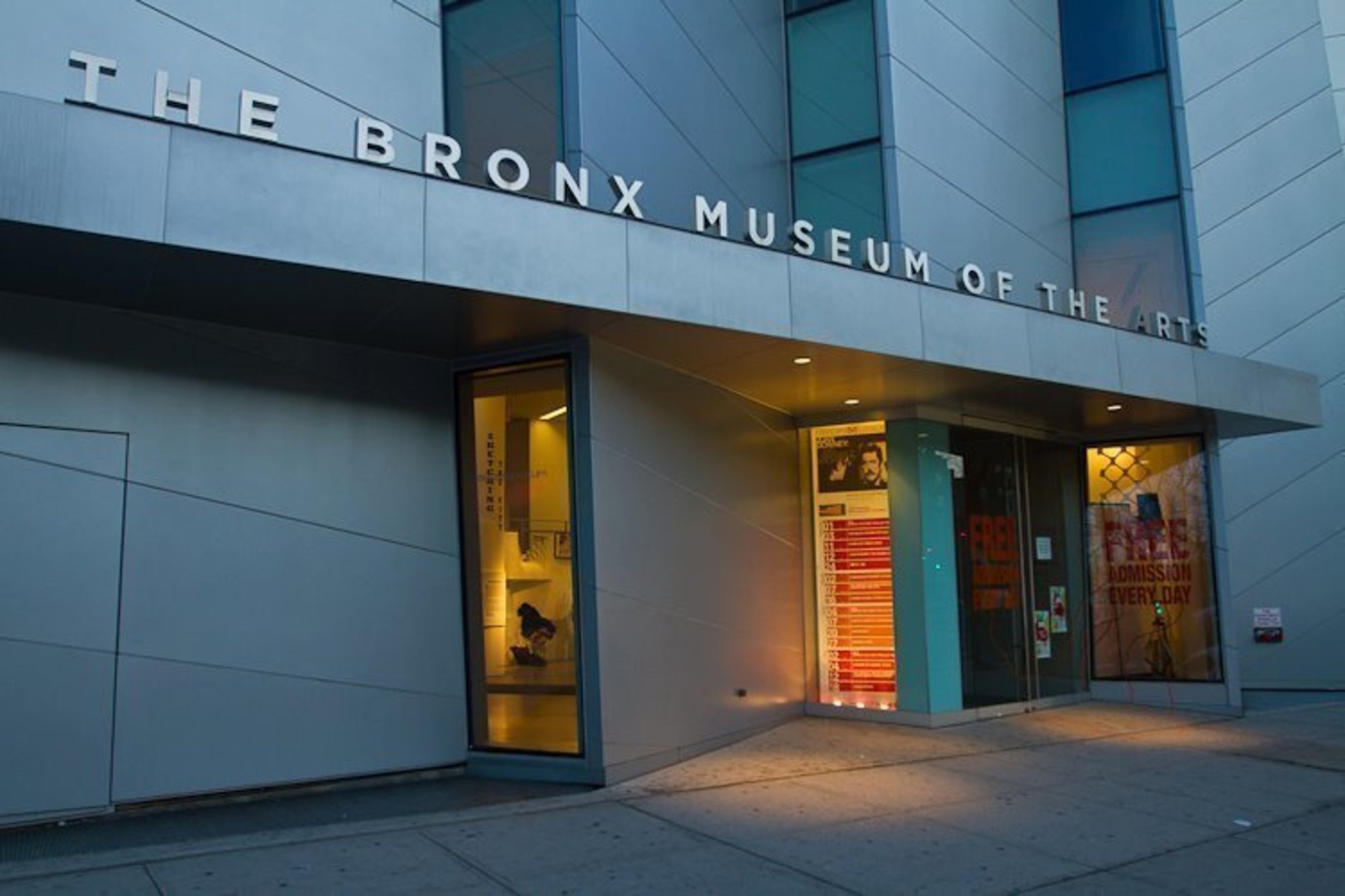
Bronx Museum of the Arts | Artsy
The Bronx Museum (Source)
The Bronx Museum has recently hired Jasmine Wahi as the Holly Block Social Justice Curator to "prompt dialogue and subsequent change towards a more socially equitable and just society." A huge part of her job as curator is to consider who the exhibition is created for and how to bring in stories and discourses that are often suppressed and go beyond a single audience narrative. Wahi also encourages museums and galleries to not only purchase more art created by people of colour, but also provide investment through "respect, attention, and intellectual investment." Reconsidering who is hired and their intentions within the museum is at the heart of a museum's innovation and their capacity to change.
Image may contain: text
Museum Professionals of Colour Logo (Source)
Within the Master of Museum Studies program, Museum Professionals of Colour (MPOC) are starting within the educational institution to dismantle racial bias before Masters students officially enter the museum field. MPOC was created by students who realized that their lived experiences were not being adequately addressed in academic and professional settings and were willing to put in the emotional labour to ensure that the art, history, and other disciplines that permeate museums serve a wider audience, instead of privileging a white colonial one.

Jasmine Wahi – Glassbook
Jasmine Wahi (Source)
Some of the necessary changes, such as diversifying art collections or staff hiring, have been met with concerns over meritocracy. However, a true meritocracy has never existed. The racial, social, educational, and other boundaries have always been successful at rejecting people who do not serve the colonial project, no matter their ability. As Jasmine Wahi has said, "I can say with zero doubt that there are plenty of mediocre white men in positions of power who have not risen through the ranks based on their intellectual or creative prowess," not in attempt to discount many talented white men but rather dismiss the myth that good work means reward.

The problem is not the desire to witness and experience art and science, but rather how it is done through colonial institutions that I believe are capable of change if the right steps are taken. It is my hope that museums will cease to only show exhibitions and instead innovate to become a trusted centre for the local art community and general public, while still welcoming international audiences.